What stands in the way, is the way. – Marcus Aurelius
There is but one thing of real value, to cultivate truth and justice, and to live without anger in the midst of lying and unjust men. – Marcus Aurelius
It’s easier to fool people than to convince them that they have been fooled. – Mark Twain 1897
Don’t let schooling interfere with your education. – Mark Twain
To lodge all power in one party and keep it there is to insure bad government and the sure and gradual deterioration of the public morals. – Mark Twain 1906
Be thankful we’re not getting all the government we’re paying for. – Will Rodgers 1947
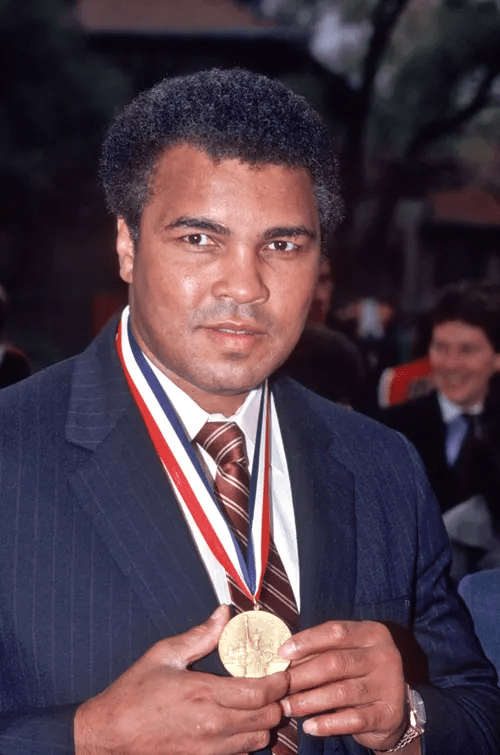
Don’t count the days, make the days count. – Muhammad Ali
“The key is to keep asking yourself the same question, again and again and again: this is your life—what do you want to pay attention to?” — Catherine Price
“Ladies and gentlemen of the class of 2005 at Emory, real life is not college; real life is not high school. Here is a secret that no one has told you: Real life is junior high. The world that you’re about to enter is filled with junior high adolescent pettiness, pubescent rivalries, the insecurities of 13-year-olds, and the false bravado of 14-year-olds.” — Tom Brokaw, Emory University Commencement Address (2005)
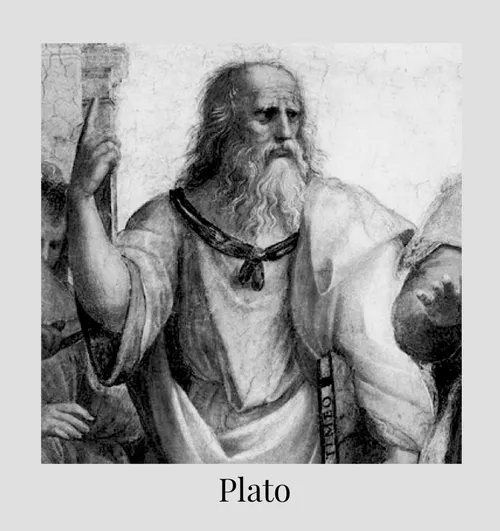
The price good men pay for indifference to public affairs is to be ruled by evil men. – Plato
Partnership is the damnedest ship that ever sailed. – GJ Schmitz, Jr. (my Dad)
You already know the value of having a mentor, so I won’t get into that. Your first mentor was probably your mother or father, as was mine. That caring person set you on the course you are on today. As I moved ahead in my career I had some great bosses and associates that really helped steer me right. But now, the older I get, the harder it is to find a mentor. As I’ve aged there are fewer older people I know that are on the road ahead of me and younger associates hesitate to advise me, even when they are a lot smarter than me. These smart young folks erroneously assume I already know it all. How silly is that!?
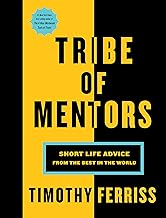
A few years ago, I stumbled upon some great mentors from an unlikely source, the Tim Ferriss books and podcasts. Back when I was learning to do real estate investing, I read Tim’s book “The Four-Hour Work Week”. As an engineer, the book resonated with me in presenting a systems-based process for setting up and operating a business efficiently. I liked Tim’s style, so I read his other great books:
Reading “Tools of Titans” and “Tribe of Mentors” opened my eyes to the lives of some of the most successful people in the world. Especially enlightening is the way Tim would deep dive into their daily personal routines –- things they did to control stress, stay healthy, and be productive –- while running some very successful projects. I got an awareness of how these high-profile folks were not much different than us “ordinary” folks. Their main difference is their skill set, but their daily life is not much different than anyone else.
I have continued to find more excellent mentors in Tim’s podcasts. I have listened to a lot of podcasts and Tim’s stands out due to his exceptional interviewing skills and the wide variety of folks he has on. No matter what field you’re pursuing, you are bound to find someone Tim has interviewed that is a leader in that field.
I’ve applied a lot of the gleaned advice in my own life. If you’re interested, you can find a lot of it here Simple Stuff That Changed my life.
Tim also writes a good blog. Go look for yourself: https://tim.blog/ and pull down the pod cast “The Tim Ferris Show” from your favorite podcast site. Learn more about Tim Ferris here: https://en.wikipedia.org/wiki/Tim_Ferriss. I encourage you to give Mr. Ferriss a try if you’re having trouble finding good folks to bounce your questions and ideas off of.
“All I Really Need to Know I Learned in Kindergarten.” Robert Fulghum
Attention world governments! I have an especially important message from all the good people of Earth. WE DON’T WANT YOU TO WAGE ANY WAR ON ANYONE FOR ANY REASON! We are all incredibly surprised you do not know this, so the purpose of this message is to let you know beyond all doubt.
You know all your wars are motivated by your own fears. We have no such fears. We here in the NATO countries wish no harm on our friends in Russia, China, North Korea, or anywhere else. Likewise, we here in Russia and North Korea never asked our government to waste our dwindling resources to fight off NATO countries. We are all the same, just regular folks trying to get by. Wars are not started by the people, but by governments fighting their own battles!
We know there’s still a lot of us that are under the influence of our government’s powerful propaganda campaigns. Most propaganda aims at putting the fears of the government on the people – “We must protect ourselves from Communist takeover.” or “We must protect ourselves from Western imperialism.” We, the good people, are smart enough to recognize this propaganda as a diversion tactic to keep us from seeing the real goal of most of our governments, which is, national expansion to benefit the elite few who fear losing power! There are more of us that realize this all the time, so these tactics will not work for much longer. We have learned to recognize propaganda through critical thinking, exposure to different perspectives, and historical awareness.
We have had tens of thousands of years of learning to live together. Yes, civilizations have had to fight it out all this time, but there is a point at which we figure out a better way to solve ALL problems. In fact, we’ve learned how to fix all the basic types of problems in kindergarten. You government guys didn’t flunk kindergarten, did you? Let us review the most common problems governments want to fight over and compare each one to a kindergarten equivalent.
1. Geopolitical conflicts and territorial disputes that persist between nations – Two children arguing over who gets to play in the corner with the best toys, with each claiming “I was here first!” or “This is MY spot!”
2. Ideological and religious differences leading to extremism and conflict – Children disagreeing over the “right way” to build a block tower or draw a cat, with each insisting their method is the only correct one.
3. Economic inequality within and between nations, creating instability – One child has many toys from home while another has none, creating tension during playtime when the child with many toys refuses to share.
4. Competition for limited resources, including water, land, and energy – Three children fighting over the one red crayon or the single class iPad during free time.
5. Nationalism and identity-based conflicts that resist compromise – Groups forming based on arbitrary distinctions like “blue table kids” versus “green table kids,” with each group developing loyalty and excluding others.
6. Historical grievances and unresolved injustices that fuel ongoing tensions – “I’m not sharing with Sam because yesterday he took my juice box and didn’t say sorry.”
7. Militarization and arms races, including nuclear proliferation concerns – Children building increasingly elaborate “defensive” pillow forts, eventually taking all the cushions, and leaving nothing for others.
8. Failed states and regions with weak governance that become conflict zones – Chaos erupting when the teacher briefly leaves the room and the assigned “class monitor” can’t maintain order.
9. Terrorism and non-state armed groups operating across borders – A child disrupting others’ games or destroying their artwork because they weren’t included.
10. Climate change impacts that can trigger resource conflicts and migration crises – Disputes arising when outdoor recess is canceled due to rain, forcing everyone to share limited indoor space and toys.
I won’t insult your intelligence by explaining the fixes for each of these as I know you learned them from your parents and teachers many years ago. And I realize these simple solutions get lost in the complexity of adult life. But, as our leaders, you need to function more like the teachers than the children! If you kids don’t sit down and shut up there will be no snack time today!
World leaders, if you still don’t get it, you need to read more history and learn from it this time. The longest lasting empires; Roman, Byzantine, Ottoman, and the China dynasties; all ended in conflict due to not solving basic kindergarten problems. The world now produces more than enough food, clothing, shelter, and medicine for everyone. So, what is all the fighting about? Expansionism and imperialism are just counties acting like bullies on the playground. The rest of the class sees what you’re doing and really wants you to “grow up” and face your insecurities! How many times did the teacher say, “We all just need to learn to share”?
So, you might be reading all this and thinking, “Yes, I have studied history and know all this to be true. But I am only a mid-level congressman (or member of parliament, MdB, councillor, etc.) what can I do?” That’s an easy one. Grow a pair and stand up for what you believe!
I have faced this fact long ago and my friends remind me all the time, that I am a “wise-ass know-it-all”. One of my many bad habits is giving folks way too much unsolicited advice. It’s hard to stop. When I see someone going through something I’ve already been through, I just want to help. I am slowly learning in my old age that it just never works. I can’t change anybody. They can only change themselves. I am getting better at it and that is one purpose of this blog. So, continue reading only if you think you’re ready to move ahead.
Morning routine
A standard morning routine, of various forms, is used by a great many successful people. I have read lots of biographies and implementing a morning routine is fairly consistent. While most prevalent in early birds like me, the night owls have their versions that work well for them. For the busy mom or professional going to work at a set time each day or when the rest of the family gets up, this morning routine is the one time they have for themselves. This is time to work on yourself in whatever way you feel. Here’s a summary of my morning routine to get you thinking:
Stretching – It’s the first thing I do after getting out of bed. Well, not quite – usually need to pee first 😉 I started doing light stretching and some yoga before I learned this is a routine with most athletes and folks looking to stay fit or just to get moving in the morning. I knew I needed to do something when going down the stairs in the morning started to get harder. I was making “old man noises” and I was only 58. A little leg stretching first thing did the trick and that soon evolved into a short routine focusing on legs, hips, and back. Now be warned you are not going to feel like doing this upon waking because your body and mind are still in “sleep mode”. That lizard brain is saying, “Can’t we just start this morning a little slower?” But let that lately evolved frontal lobe take command and put the body in “wake mode”. You will have to trust me on this but you’ll see for yourself, a little exercise that time of day is the equivalent of a cup of coffee. Try it, you’ll see. Five minutes is enough, but ten is better.
Meditation – After stretching I dress and head downstairs, feed the cat, then sit and meditate for about 10 minutes. Learning to focus your attention on what’s happening without judgment improves all aspects of life. Great way to start the day.
Breakfast – I put high grade protein and “slow” carbs in by belly within minutes of getting out of bed each morning. Learned this from reading about some great athletes. Doing so levels out your blood sugar for the rest of the day, eliminating cravings and bingeing. Three egg omelet with Spinach, onion, bell pepper, mushroom, and pea sprouts is my main breakfast. By “slow” carbs I mean carbohydrates that are low on the glycemic index scale. Fast carbs should always be avoided unless you’re about to run a marathon or something.
A good source of a variety of successful folks’ morning routines can be found in Tim Ferriss’s book Tools for Titans.
Meditation
I learned Transcendental Meditation in 1973. While it took years to really start understanding what meditation does, I did see the benefits and kept it up, off and on, through the years. Within the last few years, with the help of some great books and podcasts, I have a much better understanding of how it works. I am not going to explain the practice here as professionals like Sam Harris and Jack Kornfield do a way better job, but will share the benefits I have seen. By learning to recognize your own thoughts as just stuff your brain throws out in response to stimuli, you will learn to control your thinking and behavior. This results in major improvements in dealing with people, being more grateful for what you have and less cravings for what you don’t have, anger management, better learning skills, and better conversations. It’s also just plain easy and feels good.
Reading
Bottom line, reading will keep your brain alive better than anything else I know. Many studies using MRI’s and such have shown that reading lights up more areas of the brain than most other things. I know it works for me and keeps me curious. When I meet someone new and we talk long enough, I will usually ask them what books they’ve read lately. I am tired of getting the answer, “I am just not a reader” like it’s some genetic trait. Reading is a habit you must develop and anyone can do it. If you want to know what is really going on in the world, it’s all in books. Not the news, documentaries, podcasts, or (chuckle) social media. Get a good book and read a little every day, even for 10 minutes. According to Tony Robbins only 10% of the world reads whole books and only 10% of them read non-fiction. Folks that read books are in the top 10% of the educated people in the world. Think about that.
Better nutrition
There’s so much great information on this out there, I’m not even going to try. Just get off the processed crap and eat great food.
Running
Running, mountain or road biking, or any other aerobic exercise a few times a week. The benefits to the cardiovascular system are well known, but one of the overlooked benefits is the increased blood flow to the brain. Ever see an old guy that looks like he doesn’t even know where he is? Yeah, that’s you in a few years if you let the slower metabolism have its way. Get some “extra” blood up to that brain every week.
Strength training
Pays back great dividends in slowing muscle lose and increasing metabolism. The older you are the more important this is. Get a weekly routine. If, like me, you don’t like gym memberships, it takes very little equipment to have a great routine at home. Along with lifting heavy stuff, incorporate flexibility and balance exercises. Yoga is great for this.
Treating personal finance like a business
Struggling through life, pay check to pay check, is not a good plan. It does not have to be that way. Learning to manage your personal finances more like a business is a much better way. Our economy is designed to promote commercialism and this is the trap. Improving personal finances is as simple as controlling expenses and saving for the future. The main hurtle to this is the change in mindset that is required. For example, what are you thinking about the day before payday – “I’ll have the money to go out to eat”, “I can buy that new dress or sports coat I’ve wanted”, or “This paycheck will give me enough down payment for a new car loan”. Or are your thoughts more like – “I get to pay down that credit card a little more”, “I’ll have a little bit to add to retirement savings”, or “I’ll have a little bit to add to saving for a down payment on an investment property or business startup”. A change in your mindset is the way out of the commercialism trap.
Ditch the “paycheck to paycheck” mentality and start thinking in terms of assets and liabilities. In any economy cash is king so even a little savings can pay off big in the near future. Ben Franklin said mankind’s best invention was compound interest. Use your savings to buy investment real estate, start a small business, or open a brokerage account. There are just too many books out there on the subject for me to go any further with this. But, if everyone took advantage of this bit of knowledge, a whole lot of society’s problems would just go away. Some books that have helped me are here.
Learning
Stop learning and your brain starts dying. ‘Nough said!
Science
Science is the systematic study of the natural world through observation, experimentation, and the testing of hypotheses to discover and explain how things work. Even if you’re not interested in how the world works, I think it’s a good idea to know how others figure it out. Here’s some of my favorite subjects:
Biology – I like learning how animals and plants work. I do not have any background knowledge for a good learning base, but fortunately there are many books and documentaries on a layman’s level.
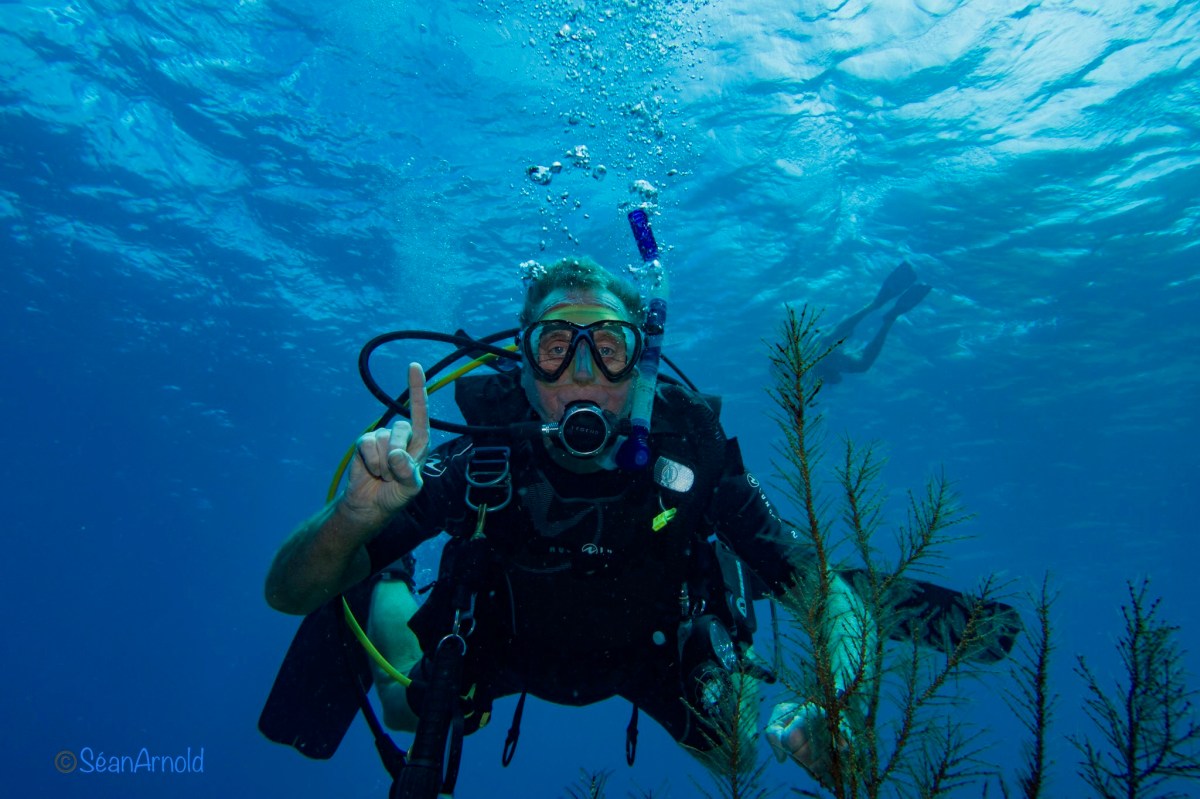
Marine biology – I love scuba diving. While you will have to sit in the woods for a while until a couple birds or squirrels come out, life is all around you as soon as you enter the ocean. I love watching fish behavior and looking for the crabs and other little critters.
Birds – I’ve loved hiking in the woods all my life, but I never really saw the woods until I started bird watching. Now it’s like a city with all the creatures going about their lives. Bird watching is something you can do everywhere you go. Nature is everywhere, even in the cities.
A really good source of current science news is Science Friday broadcast on NPR and a podcast. My favorite books are here.
Projects
Always have some projects going on. Life isn’t much more than a continuous stream of problems. Throwing a few self-improvement, property improvement, business building, explorations, or craft projects in the mix will make you feel like you’re accomplishing something.
Philosophy
What is life? What is God? Some folks are happy to accept what others tell them it’s all about, but I never was. With all the scientific advancement we have today still no one knows what consciousness is. Thinking about these things helps me figure out the best way to live an honorable peaceful life. I have taken some pretty heavy philosophy courses and studied all the major concepts. I think some of these old guys simply thought way too deep about this stuff. I think the basic premise behind most of it is much simpler. Here’s a couple simple easy reads:
Everybody washes their hands when they come in the house after being out in public.
When my wife (now ex) first started teaching at culinary school, we both starting catching everything. She, being in a closed room with all those snotty-nosed kids all day, was bringing home all varieties of the common cold and flu. She came up with the idea, so we made it a rule. When you first come home from being out in public, the first thing you do is wash your hands. This simple act had dramatic results and I still practice it today. Believe me, it works!
The wise-ass know-it-all strikes again!
If you actually read this whole post you will understand why I am not too popular a parties. You’re probably thinking, “This guy really had some low self-worth issues growing up.” and you’d be right. But my childhood issues set me on a life time quest for self improvement that has really paid off for me. I started life with very low expectations, but have exceeded them four-fold. So, if you’re at a party talking shit and some guy starts preaching to you how to fix your life, you deserve it! Go ahead and walk away, but I’ve still got this blog!
Navigating Life’s Currents: A Kayaker’s Reflection on Anger.
I reflect on a kayaking trip that transformed into a moment of self-discovery and growth. Initially frustrated by an unexpected insidence causing a massive fit of anger, I realize my reactions stem from learned behavior. The experience helped to teach me to face challenges calmly, improving my approach to life’s obstacles and enhancing overall quality of life.
Is it “normal” to get pissed off when things go wrong?
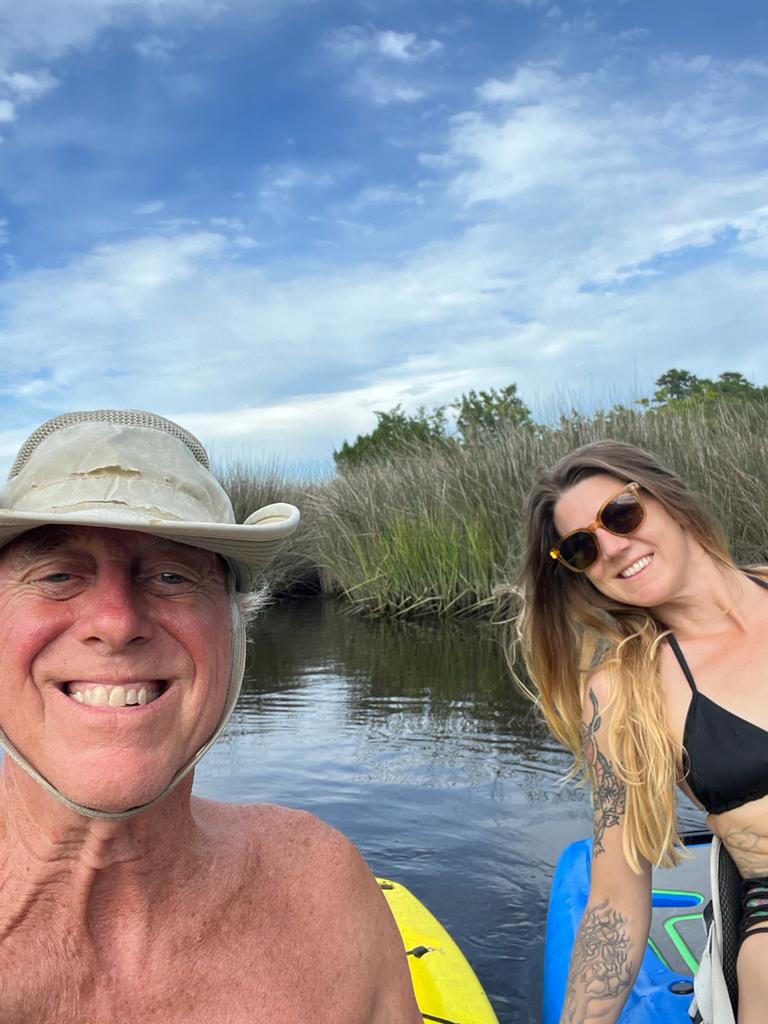
The tide was just starting to move out as I turned my small ocean kayak off the Stono River and up Green Creek. I’ve paddled this tidal creek a dozen times. The marshy banks are full of life and the turtles, dolphins, bonnet head sharks, fiddler crabs, and birds offer great entertainment. The bonnet head sharks were jumping up on shore after fiddler crabs. The little crabs are working the shoreline in the clusters of oysters looking for food and the sharks take advantage of the opportunity for an easy snack. One of the best things about kayaking these tidal creeks is how close you can get to nature.
I always try to time this particular trip to get out there at low tide. That way, the incoming tide helps me get up the creek. Coming back down the creek, the incoming tide is not that strong, so not bad to paddle against. I can always use the workout anyway. But I was prepared for a bit more workout this trip, as I paddled steadily against the ever-increasing rush of outgoing water assisted by gravity in the shallow creek. It’s not a big deal and I know if I just take my time and pace myself, it will be a great trip.
There are lots of small feeder creeks entering Green creek and these can be a lot of fun to explore. There’s a lot of little sand bars with oyster catchers waiting for their favorite food to be exposed by the receding tide. Or maybe catch a glimpse of a diamond back turtle snoozing at the edge of the creek and you get a good look at him before he wakes up and escapes to the water. You just need to make sure the feeder stream is wide enough to paddle in. Up in the narrow sections, maneuvering the boat can get really tricky with a little tidal current running and your paddle getting tangled in Spartina grass.
I turned off the main creek onto a branch that looked interesting. The stream was fairly wide and appeared to go up into the marsh a good ways in a serpentine course. Probably some birds up in there and I wanted to see how far in to the marsh it went. I saw two or three metal posts about 50 foot up the stream that marked the location of submerged oyster beds. Might be some red fish lurking in one of the many bends.
What happened next should not have caught me off guard. I am no expert paddler, I admit, but I have been handling kayaks, canoes, and small boats of all kinds most of my life. But I am a bit of a “sky larker” and was looking for marsh wrens and not noticing the increasing current building in this little tributary. Water always seeks its own level and the force of the current is determined by the amount of water that needs to move with the tide through the space provided by the creek bed. Simply put, the water is going to move a lot faster in the shallower parts of the creek. I noticed the current change when the boat started moving backward and becoming harder to steer. No big problem, I thought. Just dig in with the paddle some to push over the shallow spot.
I began making headway, but the current was increasing as I moved over ever shallower bottom. The surging current began to turn the nose of the little boat to port despite correcting efforts with the paddle. I put the foot-controlled keel fin hard to starboard and while this helped steerage somewhat, forward progress was slowed by putting more keel surface against the current. I was beginning to lose the battle. Thinking quickly, I applied a simple solution. Simply let the boat swing around with the current, paddle back out into the main creek, then start over while paying more attention this time. Just part of the fun, nothing to it, I thought.
My little plan didn’t quite work out. As I let the nose of the boat come around, pushed hard over by the current, at about 90 degrees into the turn the boat stopped dead. With the turn only half completed, I was now broadside to the current and water was coming over the boat. What the hell is going on here? Took me a second to figure it out. My kayak had struck one of the steel posts marking the oyster bed. I was now pinned between the post and the currant and about to capsize the boat, if I didn’t do something fast.
Now, I don’t mind getting wet. But if I go over here, it was too shallow to do an Eskimo roll to right the boat. And, if I bail out of the boat, I’m surrounded by deep pluff mud. In case you are not from here, pluff mud is the Lowcountry equivalent to quick sand. You will sink up to your crotch and lose at least one sandal. I would need to “swim” the boat a mile or two to hard ground, so I could just get back in the tipsy kayak.
I had about three seconds to think about all this. During which time, I was not solving the problem. And this made me mad. Very very mad! And becoming more pissed every second. I don’t think I was panicking. I was just truly and totally pissed off that I was in this situation and not getting out without a lot of trouble. I tried to shove away from the post. I dug hard with the paddle. All to no avail. The harder I tried, the more frustrated and angrier I got. I believe I was yelling out loud most of the sailor words my Dad had taught me. I was completely consumed by anger. That’s when it hit me. Who or what the fuck am I angry at? The tidal creek? The DNR guy that put this marker post here? God? Myself?
I inherited my anger from my Dad. My Dad was a great guy, but he inherited anger from his Dad and thought it was a natural thing to get totally pissed off at anything not going his way. As his first child, I seemed to do a lot of things that didn’t go his way. I got yelled at a lot. And it was not your basic raising of the voice mad at the dumb thing I might be doing, it was top of the lung screaming, red faced, clenched fist, in my face anger. So, I carried on that family tradition with bullying my little brothers, getting into fights at school, and road rage. I thought it was normal. I didn’t even realize I was doing it.
We all get angry sometimes, right? It’s a natural reaction to stuff we don’t like and is hard or impossible to fix, right? Anger is a healthy form of stress relief, right? Do I really think life should be problem free? Or, is anger a learned behavior? My Dad yelled at me a lot when I was a child. That was his way of solving problems. Any situation that didn’t go his way would trigger a stream of loud cussing. He was never violent. Mom would say, “He is just venting”. I know it didn’t make me feel very good when I was the target. I guess others felt the same when I made them the target.
I remember once when I was having a particularly bad tantrum. Don’t remember what it was about, but probably plumbing or painting that wasn’t going right. I always hated plumbing and painting anyway. As I was cooling down from the yelling fit somewhat, my wife casually mentioned, “You know that’s not normal, right?” I had no idea what she meant. Everyone yells and screams when things don’t go right, I know. At least that’s what I thought back then.
Back to the story
It’s truly amazing the amount of crap that can go through your head in a time of crisis. Crisis? It suddenly occurred to me, was this little hassle in the creek really a crisis? I sure am acting like it is. The realization my anger was having absolutely no positive affect on the situation washed over me like a shore break wave. My thinking suddenly cleared. The outcome was no longer a concern if I did my best and faced the consequences like just another adventure. I might get banged up a little, but pretty sure this won’t kill me.
That angry “self” was now gone. There was nothing there now except boat, water, gravity, and that damn oyster bed marker. I tucked the paddle under my arm, gripped the steel marker stake with both hands and gently balanced the force of the water between the marker and my butt in the boat. With a slight twist of my core, the boat was free and gracefully shot out into the main creek and deeper slower moving water. Wow, that was easy!
Back to real life
I felt ashamed for the way I acted for days after that kayak trip. I couldn’t stop thinking about it. I guess I’ve been acting like that all my life and not even realizing it. I was alone in that kayak with no one else to blame and yell at for that situation that, after all, was not “my fault”. Depression was starting to set in with all the negative “self-talk”. No problem, I am use to that. I’ll just need a couple extra beers tonight, maybe. But I really wasn’t ready for what was going to happen next.
So, just a routine drive into work the next morning. Man, the drivers here suck. A friend of mine says there are two kinds of drivers in South Carolina, the idiot in front of you and the ass hole behind you! Didn’t take long to confirm this as the car that just entered the interstate pulls directly over into the left lane going 10 mph below the speed limit, right in front of me. I let them have it with both barrels, screaming, blowing the horn, flashing my lights, and yelling loudly enough to be heard at 60 mph. I was justified since I was doing everything right and they were in the wrong. Then, I felt it happening again.
The same feeling I had in the kayak that day came back like I was watching some other angry fool yelling and screaming. Such massive negative energy. And for what? I was now seeing my angry thoughts and feelings clearly. That other driver was no longer the enemy. My thinking was completely reversed. They’re driving the best they can and none of this is intentional. This is absolutely no different than an oyster bar marker in the creek. Just part of the constant flow of challenges in life. A natural part of life. I had to pull over and think about this for a while.
Revelation
Took me way too many years to realize problems are a natural part of life. I know now, I can’t control that, but I can control how I react. Controlling how I react to problems has become a lifelong project. I am much better now and life has improved appreciably because of this change. People can change. Just as our parents modified our behavior to suit their social standards, we can continue the process on our own accord to become the best person that suits us and those around us. For way too long, I simply accepted myself as, “That’s just the way I am”. Very immature.
I was young and foolish then; now I am old and foolisher.- Mark Twain, a Biography
Conclusion – rest of the boat trip, the rest of life
The rest of that kayak trip went well. Partly because I was paying more attention but also because nature cooperated. I eventually did see a couple marsh wrens, some diamond back turtles, blue herons, tri-color herons, and white ibis. A pod of bottle nose dolphins were fishing about half way up the big part of the creek. Even saw a baby one with their mom. Took me about three hours to go as far as I could up Green creek, but coming back was only an hour with the tide assisting. All and all, a super day! And, came back with a lesson in life that changed me forever.
The problems in life are no different than the rocks and logs in the middle of the stream. How they are handled depends on boat paddling skills learned by training and experience. These obstacles are life itself! Figure out how to go around, over, or through and learn something new. But then, some of us are luckier than others. Quality of life greatly depends on luck. There is a big difference between a careless driver and brain cancer. I am very patient on the road these days, but cancer would probably still piss me off. But I would like to think I’ll get to a point some day where it would not.
And, one last note. You know you’re making progress on your anger management when you start laughing at your fuckups!
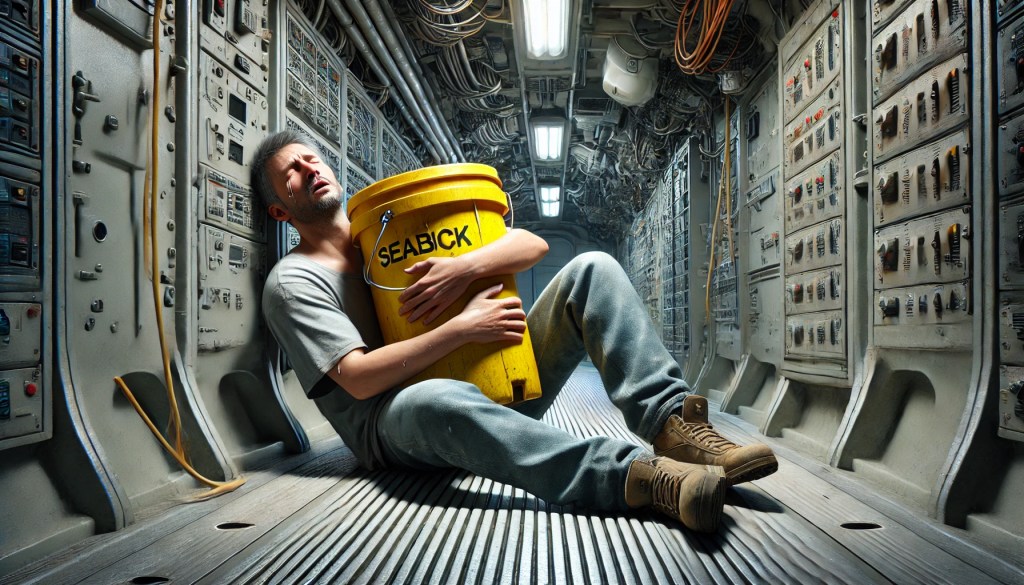
The author shares personal experiences of battling nausea on various boats, particularly submarines. He offers insights on how to mitigate seasickness symptoms and draws parallels between it and other health issues like depression and fatigue. The key takeaway emphasizes taking control of one’s mental state for improvement. Attitude as medicine!
I am an expert on sea sickness.
Been getting seasick all my life. The first time, I was 3 years old on a ship coming back from Panama with the family. I still have vivid memories of the puke flowing back and forth on the deck in our state room as the ship rolled in the rough seas. I’ve been sick on every boat I’ve ever owned, except my kayaks. I think that’s why I like the kayaks so much. Maybe it’s because the kayak is closer to being in the water or maybe because I just can’t (or don’t) go in rough enough seas to get sick.
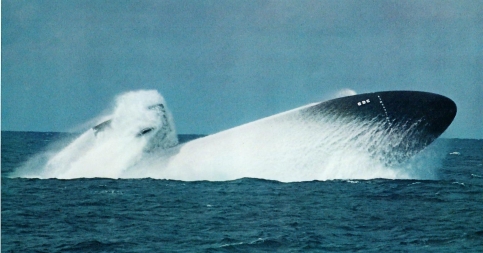
The sickest I’ve ever been was on a submarine. I worked in the shipyard and had to ride sea trials. We had just completed a test called “emergency blow”. While the sub is cruising at a depth of 1000 feet, all the ballast tank valves are opened at once, releasing air into the outer hull of the sub. The purpose of this maneuver is to surface the sub as fast as possible in an emergency. Riding the sub up during emergency blow is quite fun. You have to hang on to something and you really rock and roll when it hits the surface. But the fun stops when you get to the surface. Now the sub has used all the air in the ballast tanks, so diving again with them empty would be very unsafe. Safety protocols call for all air banks in the ballast tanks to be full before the sub is allowed to dive again. The air banks are recharged by several large air compressors that must draw air from a snorkel on the sail of the sub. (The “sail” is the structure that sticks up above the top deck of the sub. On older subs, it was called the conning tower.) The air bank recharging process takes 12 hours! Upon surfacing at completion of one particular emergency blow, we were met with 20-foot seas with a 15 second period 200 miles east of Cape Hatteras. The modern nuclear submarine is not designed to run on the surface, having a round hull like a big pipe. They roll side-to-side, as well as pitching up and down with the swells. While riding on the surface in such a sea state, the bow goes up 20 feet, then down 20 every 30 seconds, while rolling side to side to a 20-degree angle. Lots of yaw along with all that pitch all at the same time! I wedged myself prone on the deck in the Forward Sonar Equipment Space hugging a mop bucket for 12 hours.
From these many queasy years of experience on the ocean, I have learned what to do to avoid getting sick: dose up, stay topside in the fresh air, look at the horizon, eat light, etc. And, if all else fails, lay down to shut off the balancing mechanism in the inner ear. I also made a promise to myself to never ride another submarine on sea trails (five was enough!).
Seasick dive students.
When I became a scuba instructor, I found myself dealing with a lot of seasick students. No matter how much I warn them in class, they don’t believe they will get sick and don’t take precautions. “I’ve never been seasick in by life”, how many times have I heard that! They’ve just never been on a bouncy little dive boat at anchor in four-foot seas. Everybody has their amplitude and frequency of ocean swells that will make them sick. You can go out on boats and ships for years and just not hit your waveform. Seems those small bouncy dive boats hit a lot of people’s waveform.
It’s easy to tell when someone is starting to get sick. They get quiet, sit with their head down, eyes closed or looking at the deck, and turning white. Next will come the first purge, if preventive action is not taken. I try to tell them I understand how they feel from personal experience and, if they do what I say, it will help a lot. “Stand up, walk around and take some deep breaths of fresh air (stay out of the engines’ diesel fumes!).” “Look at the horizon!” And lastly, “Go to the back of the boat, if you are going to throw up!” But they don’t listen. They are incapable of listening. I’ve come to believe; this is a subdued version of the “flight or fight” reaction. The sea sickness won’t let them do what’s best to help them! The sickness is telling them to do all the stuff that will make it worse!
The disease tells you to do the wrong things.
The next series of events include holding a bucket under their face or physically moving them to the stern during uncontrolled projectile vomiting. I signal to the dive master to start cleaning the puke off everyone’s dive gear and the decks and quit making stupid jokes! I try to get the victim to drink some water and go for a swim off the back of the boat. This is also hard to get them to do, even though it really helps. Then they don’t want to go on the dive, even though that will really help. So much lost money, training time, and quitters caused by this terrible disease.
All this is preventable as I’ve proved to myself over many years. But it is hard to correct once the disease is in control. I got to wondering, might what I’ve learned about seasickness apply to other sicknesses?
Do other diseases do the same thing? fatigue? depression? alcoholism?
Depression does the same thing to us. I know depression and it’s not fun. It makes you want to hide away from people, lay around, watch TV, eat, and drink. The negative self-talk that runs through the brain seems unstoppable. Yet any first-year medical student can tell you what to do: exercise, read, get some good sleep, and just go get busy with something. Hard to do, though, when you just don’t feel like doin’ nothing!
Same with drinking. The only real cure for a hangover is more drinking!
Fatigue from work stress, family stress, or old age is common. Fatigue is self consuming like seasickness and depression and just tells you to do nothing which leads to more fatigue. Be aware of the fatigue and don’t listen to it. But start slow with a short walk or anything that gets you out of bed or off the couch. Don’t push it, but do something, anything but laying there and letting it consume you.
I don’t know why we are wired this way.
But I have learned how to fix it. Get in charge of the brain. You are the boss, not that bad puppy of a brain. Your brain pumps shit! And the worse you feel, the more shit the brain pumps. Learn that and you’re halfway there. Stop listening to the random crap spewing from that shit pump. Call yourself to attention and start giving some orders that make since and make you healthier and happier!
Disclaimer
I am far from being a doctor of medicine or psychology. I’m just an old guy that tried to learn from others but mostly learned from lots of mistakes. A smart person learns from their mistakes, but a wise person learns from other’s mistakes. I hope you are a little wiser after reading this. This is all much easier said than done, I know.
The blog serves as a personal journal, sharing insights from the author’s life experiences in finance, health, nature, exercise, history, science, and philosophy. It emphasizes the importance of mindset changes for financial management, maintaining health proactively, appreciating nature, regular exercise, learning from history, and understanding philosophical concepts for personal growth and improved living.
Stand by for some good posts coming up in the new year!
Welcome to my blog. I expect this will be more like a personal journal, but I also want to give some insights I’ve gleaned from my travel experiences and studies. Personally, I’ve taken way too many years to learn some simple things that make life and the world a lot better. I hope to share what I’ve learned to younger people (and maybe some of my fellow old farts) so they will not have to do as much catch up as I have.
I will focus on some basic areas that make the most improvements to a good life:
Financial – Struggling through life, pay check to pay check, is not a good plan. It does not have to be that way. Learning to manage your personal finances more like a business is a much better way. Our economy is designed to promote commercialism and this is the trap. Improving personal finances is as simple as controlling expenses and saving for the future. The main hurtle to this is the change in mindset that is required. For example, what are you thinking about the day before payday – “I’ll have the money to go out to eat”, “I can buy that new dress or sports coat I’ve wanted”, or “This paycheck will give me enough down payment for a new car loan”. Or are your thoughts more like – “I get to pay down that credit card a little more”, “I’ll have a little bit to add to retirement savings”, or “I’ll have a little bit to add to saving for a down payment on an investment property”. A change in your mindset is the way out of the commercialism trap.
Health – A lot of folks, my younger self included, think their doctor is all they need to stay healthy. Go through life until you feel bad, then go to the doctor and they fix you. That’s actually a downward spiral. Look around at the older folks you know. How many of them are sitting around watching TV with too many aches and pains to get out much any more? Truth is, our main stream doctors are only trained to “fix” people. They are not trained to keep you healthy, much less improve your health. I’ve finally learned there is a whole other type of doctor out there that is totally focused on improving health, strength, and endurance. They are the sports medicine doctors. I know, if you’re like me, you can’t afford your own personal sports doctor. But fortunately, these guys write books, have web sites, and podcasts. These guys share their knowledge for all of us to benefit from. I’ll be sharing the best of these I’ve found in future blogs.
Nature – Want to feel like you’re rich even if you’re broke? Go outside and learn the different trees and birds. Breath the air. Go for a snorkel and learn about the fish. Plant some new plants in your yard. Go for a walk in your local park. It’s all free or cheap and does wonders for the attitude.
Exercise – Strength training and cardio are not an option. Find some activities you enjoy doing to keep you going. Move it or lose it! It’s well known we lose muscle mass and blood flow as we age. Work those muscles and get the blood flowing to the brain. That, good sleep, and diet are the keys to better quality of life at any age. Don’t neglect flexibility and balance, as these are the first to go as you get older. “I’ve fallen and I can’t get up!” Don’t let that happen. Yoga does it for me, but there’s plenty of other ways.
History – The German philosopher George Wilhelm Friedrich Hegel famously said, “What experience and history teach is this—that people and governments never have learned anything from history, or acted on principles deduced from it.” Politicians depend on this fact, but we don’t have. Learning human history will demystify and filter the fire hose of news we get everyday.
If you want to be less frustrated by the silly actions of society and governments, start reading more history. I acquired an interest in history when I started traveling around the Caribbean. At first glance, the islands appeared to be “third world” to me. I saw a lot of old run down buildings and folks living below standards I am use to. Upon closer look I realized that was not the case at all. These islands are “old world”, their post Columbian societies being formed a couple hundred years before that of the states. That change in perspective sparked my curiosity about how civilization began and changed shape through time. I started studying the explorations of the European’s discover of the “New World”, but then backed up and got interested in man’s first emergence on the planet. You will find some great recommendations in my reading list that will explain a lot about what is going on in your world today.
Science – I am very interested in many facets of biology and physics. While not much of a scientist (my math skills being way out of date!), I just like to try to understand more about the world and the universe. I’m presently learning more about AI. Did you know that AI development has helped us learn more about how our own brains work? There is just so much to learn and so much more yet to be discovered.
Philosophy – Learning some basic philosophical theories is a good way to learn more about yourself, the folks in your life, and society. I lean towards stoicism for personal and business decisions and Zen Buddhism for life perspective.
Sleep is the foundation of health. Without it, nothing else works. Here’s a technique I’ve used for years when I have trouble getting to sleep.
Lots of folks have trouble sleeping and I am no exception. I have some physical things going on that make sleep tough, not to mention age. Back when I was working full time with a fairly stressful job, I had problems then, too. I have had my share of sleep deprivation moments. No fun waking up and realizing you’re driving. Or being in a meeting and suddenly everyone is looking at you and you’re not even sure where you are. Yes, I’ve had to work at this sleep thing for a few years. But I’ve gotten much better at it.
There’s massive information out there about good sleep habits and you need to do all that stuff. You know – dark room, quiet, regular sleep times, exercise, light dinner, limited alcohol. You’ve heard it all and you’re probably doing it. Me, too. Meantime, the brain just doesn’t want to turn off sometimes. The bad puppy that’s your brain decides the best thing to do is to review every bad decision you’ve ever made or needs to plan in detail everything you need to do the next day. The body is yelling, “Please let me rest!” and the brain is saying, “Nah, we got things we need to think about”. I’ve figured out a way to fix this and that’s what this post is all about. Good sleep is the foundation of health and the rewards penetrate all aspects of life.
I have used this technique for several years now with very good results. It’s basically all about taking control of your brain to lead it in the direction of sleep. The technique is simple, but can still be difficult to implement, so some patience is needed. I will describe how it’s done, then get into some of the science for those interested.
So, you’re laying in bed and the brain just will not turn off. Here’s what you do:
Start by working to relax your muscles one at a time. This is a yoga technique. When you think stressful thoughts, your muscles tighten. But this works both ways. If you relax the muscles, stress is reduced. Start with your face. Brow muscles tightened? Relax them. Muscles around the eyes, the jaws, back of the neck, relax them one at a time. Work your way down through your whole body. Check the belly, it can hold a lot of stress. This takes practice but pays big dividends. Take your time.
Then, start to focus your attention on your visual thoughts. That is, watching the visual imagery that happens with your eyes closed. Might be just some vague swirling dim colors, but that’s okay.
This procedure is not like a “light switch”. You will have to start over multiple times as your mind just naturally wants to revert back to just pumping out stressful thoughts. But that’s okay, it’s natural. Don’t stress out when it happens. Go looking for those face muscles that have tightened up again then refocus on the visual.
This probably won’t be easy to do at first, but I promise it gets easier with practice. After a while, you’ll manage to start the muscle relaxing and the visual focus at the same time. Look at it this way, when laying there unable to sleep, what else do you have to do? Just keep at it.
Now for the science. The first part of the process is simply taking conscious control of the stress expressed through the tightening of muscles. You can not control the unconscious control of your muscles due to stress, but you can control the relaxation of those muscles. Fortunately, the process works both ways – stress tightens the muscles but consciously untightening the muscles reduces stress. This alone can make you sleepier.
The science behind the second step is way more interesting. Focusing on visual thoughts or imagery can help calm an overactive mind and ease the transition into sleep. This phenomenon ties into several psychological and neurological principles:
Guided Imagery and Visualization
Research on guided imagery, where individuals focus on mental images, shows that it can reduce stress and promote relaxation, which are key for falling asleep. By engaging in visual thoughts, you’re essentially practicing a form of guided imagery that distracts your mind from stressful or intrusive thoughts, helping your brain wind down.
Shifting Brain Activity
When you focus on visual imagery, you activate areas of the brain linked to imagination and visual processing in the occipital lobe, rather than areas involved in verbal reasoning or problem-solving in the prefrontal cortex. This shift can reduce the cognitive load that keeps your mind active and alert, creating a mental state more conducive to sleep.
Hypnagogic State
The hypnagogic state is the transitional phase between wakefulness and sleep. During this state, people often experience vivid mental imagery and dream-like thoughts. By focusing on your visual thoughts, you will guide your brain into this state, where consciousness naturally starts to fade, and sleep begins.
Relaxation and Parasympathetic Activation
Visualizing calming or neutral images can stimulate the parasympathetic nervous system (responsible for rest and relaxation) while dampening the sympathetic nervous system (responsible for fight-or-flight responses). This relaxation response can lower heart rate and reduce anxiety, which are essential for sleep.
Reducing Default Mode Network Activity
The Default Mode Network (DMN) in the brain is active during wakeful rest and mind-wandering. Over activity of the DMN is linked to rumination and an inability to fall asleep. By focusing on visual thoughts, you’re giving your brain a specific task, reducing DMN activity, and helping your mind transition into sleep.
This is a great technique, but it does not always work. According to a leading sleep scientist (check my reading list), if you can’t fall asleep for 20 minutes, get up and do something low stress. I always have a good book to read on standby.













 The Blog of Tim Schmitz
Leave a comment