Exploring the natural world and living the best life
Author: Tim Schmitz
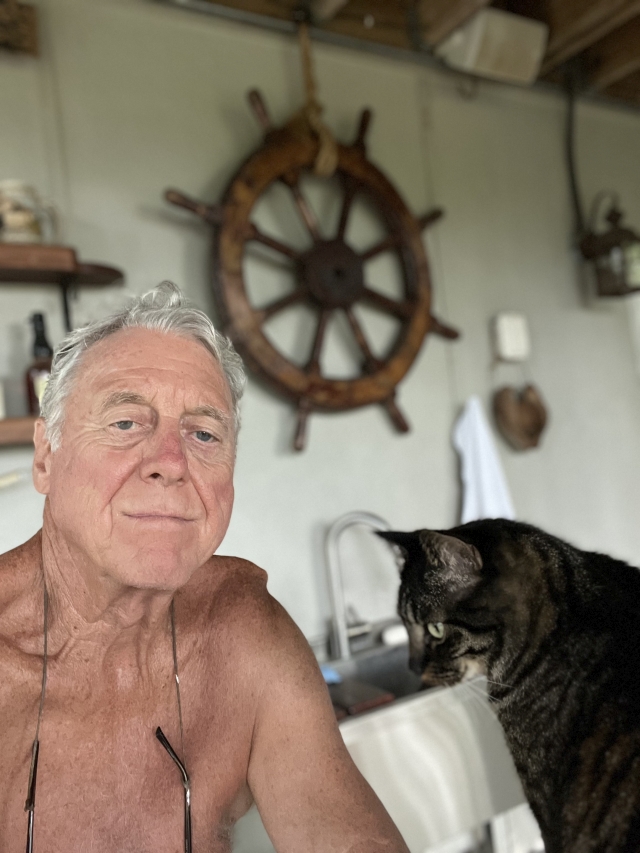
I am a retired network engineer and scuba instructor presently self-unemployed as a real estate investor. I love to scuba dive, hike, bird watch, kayak, and drink beer. Sometimes all at once. I am a fairly avid reader and enjoy talking and writing about stuff I've learned and experienced. I live in Charleston, SC with my cat Jack London.
I recently heard a statistic that started me thinking about this. Presently, about 66% of Americans overall turn to social media for news, including 86% of Gen Z and 84% of Millennials, versus 66% of Gen X and 36% of Boomers.1 This is concerning because most of the news that pops up in my feeds is of dubious sources. I’ve learned to skip over it as I mostly use social media to keep up with family, friends, specific organizations, and businesses. I get my news from NPR and CNBC. But it got me thinking about how hard it is to trust all news sources these days.
The TV news is the worse. CNN and MSNBC have become mostly liberal entertainment and we all know Fox News was built from the start to entertain conservatives.2 All the other networks lean right or left to some degree. I like CNBC because it’s hard to spin news about business and money. It just is what it is, like math sort of. NPR and BBC news is slightly left of center3, but the opinion pieces are all very left. So, how to get just straight news without all the spin and selective reporting?
Not much research was required to come up with Associated Press (AP) and Reuters as the closest to center for news. They mostly provide news items to the consumer media networks. But, they do have social media feeds you can follow to get the unspun unfiltered reports yourself. Reuters also has a podcast. So, that’s the answer if, like me, you are tired of the constant barrage of hyper-news. Follow AP and Reuters and do a Hide All for the others to clean up your feed.
If you like to get your news on the tube I highly recommend Consumer News and Business Channel (CNBC)4. A word of warning, you will have to put up with a lot of “Day Trader” type news. Unless you are a Day Trader this news isn’t very applicable to everyday life. But, much other business news is, as we all need food, shelter, clothing, SUVs, and retirement savings. It’s hard to put a spin on financial news since it affects all our lives directly in so many ways. These reporters don’t care what party a government news maker is in, only how their actions and words affect our finances.
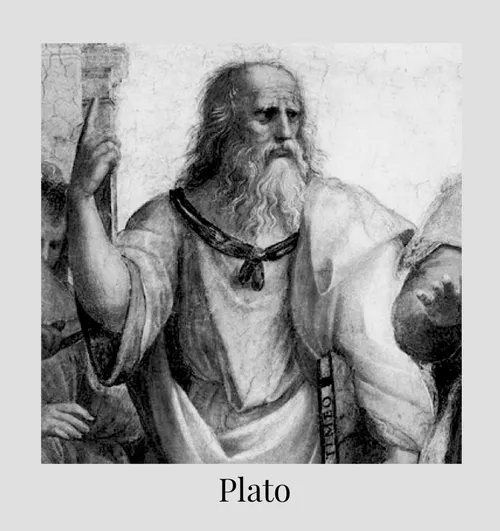
Meanwhile, I’ve got NPR on the good old radio going in the background most of the day. I focus on the good news reporting and can easily filter out the opinion pieces. Please, let’s all stay informed in these turbulent times. As Plato said 2400 years ago, “The price good men pay for indifference to public affairs is to be ruled by evil men.”
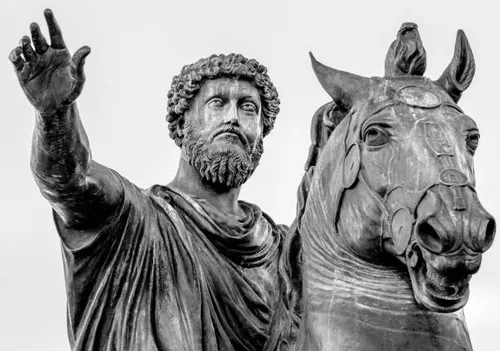
What stands in the way, is the way. – Marcus Aurelius
There is but one thing of real value, to cultivate truth and justice, and to live without anger in the midst of lying and unjust men. – Marcus Aurelius
It’s easier to fool people than to convince them that they have been fooled. – Mark Twain 1897
Don’t let schooling interfere with your education. – Mark Twain
To lodge all power in one party and keep it there is to insure bad government and the sure and gradual deterioration of the public morals. – Mark Twain 1906
Be thankful we’re not getting all the government we’re paying for. – Will Rodgers 1947
Don’t count the days, make the days count. – Muhammad Ali
“The key is to keep asking yourself the same question, again and again and again: this is your life—what do you want to pay attention to?” — Catherine Price
“Ladies and gentlemen of the class of 2005 at Emory, real life is not college; real life is not high school. Here is a secret that no one has told you: Real life is junior high. The world that you’re about to enter is filled with junior high adolescent pettiness, pubescent rivalries, the insecurities of 13-year-olds, and the false bravado of 14-year-olds.” — Tom Brokaw, Emory University Commencement Address (2005)
The price good men pay for indifference to public affairs is to be ruled by evil men. – Plato
Partnership is the damnedest ship that ever sailed. – GJ Schmitz, Jr. (my Dad)
This trip was really special for me this year. The quality of the invited scientists and frequency of presentations and field trips, under water and above, was exceptional. Plus, a whole lot of good diving every day with the Sea Saba crew rounded out the experience. The trip was a bit over-shadowed by not having my great friend Barry along. Barry went along with me on most of these trips for the last 12 years, but he passed away this year. Being a nationally acclaimed brewer himself, Barry would have especially enjoyed the exceptional beer from the new Deep Dive brewery. I certainly did!
Here’s a short review of the presentations and science I participated in.
Dr. Pieter Johnson is a disease ecologist who aims to understand the pervasive yet cryptic role of parasites in pathogens in ecological systems. In the photos above, Dr. Johnson provides an overview of the parasite problem, then leads us in a survey on the reef to count surgeon fish with the black spots that indicate presence of the parasite.
Kerri Dobson is a marine biologist with expertise in coral reef ecology and conservation. Her presentation explained how different types of algae may encourage of discourage the growth of coral polyps. The next day, Ms. Dobson lead us on a survey of algae types on the reef.
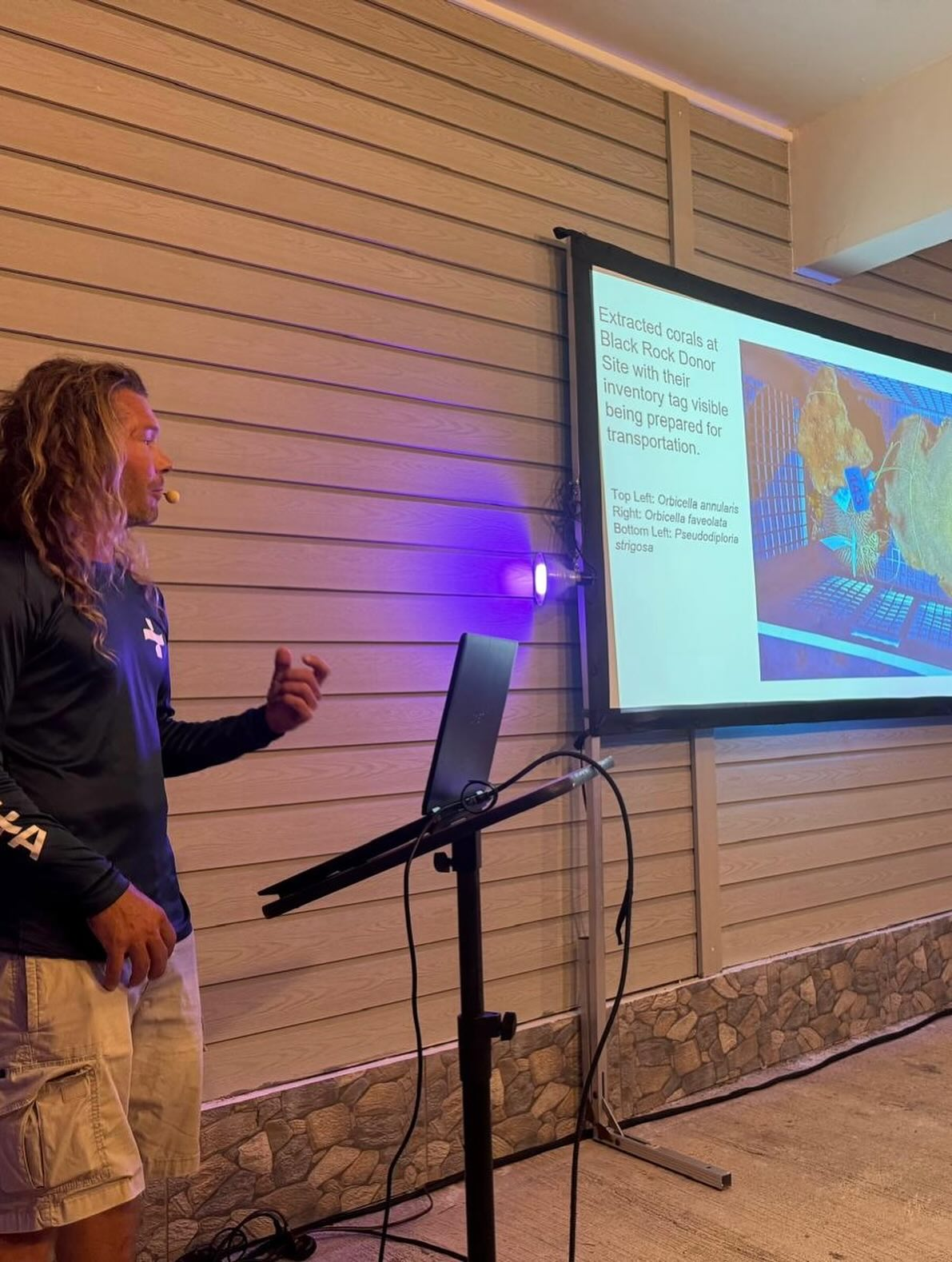
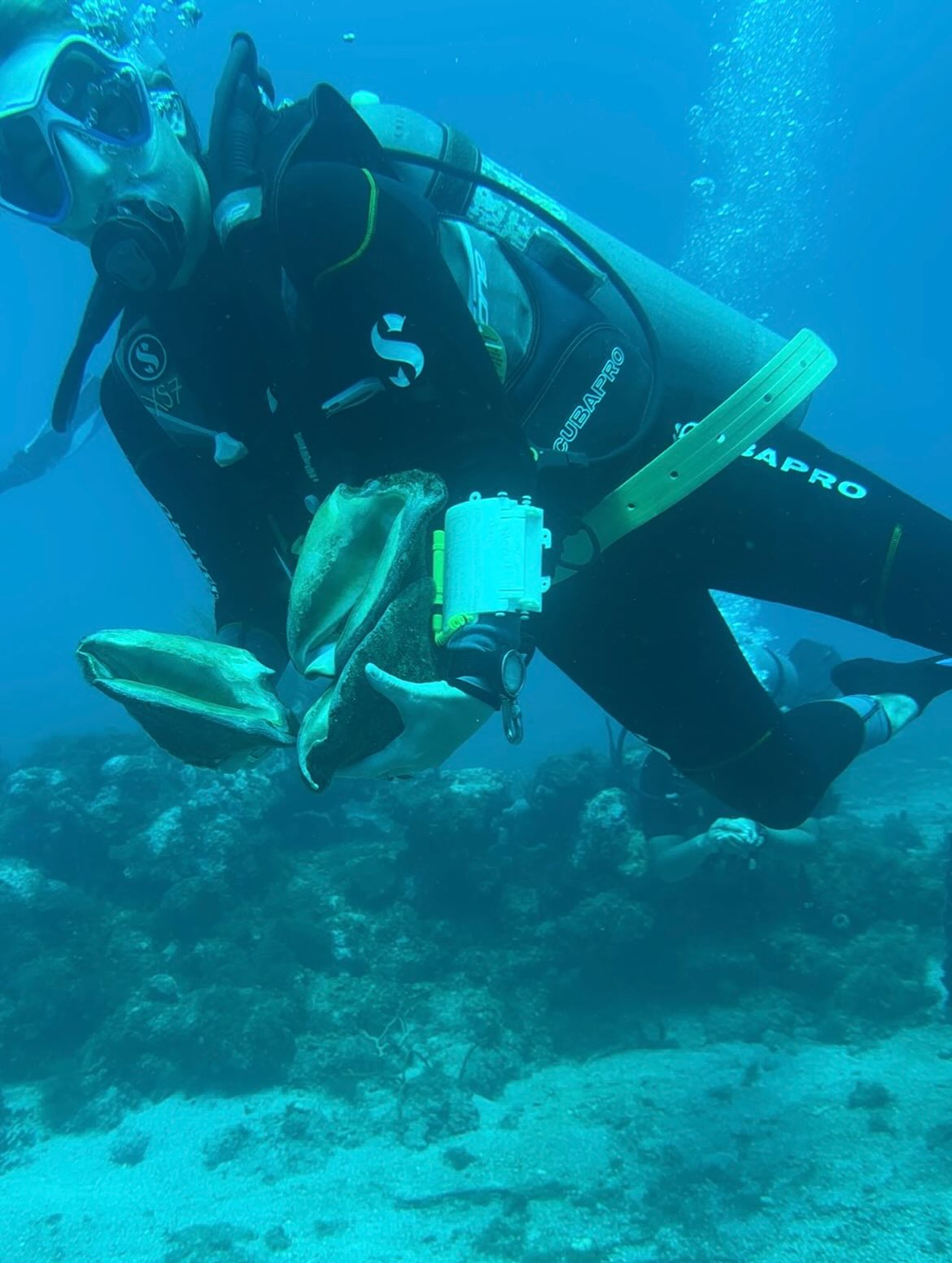
Joe Oliver is the Director of Restoration Operations at Coral Vita, a pioneering organization dedicated to revitalizing the world’s coral reefs. Joe lead us in relocation of invertebrates from the new harbor site to another reef. In a previous dive, they relocated many corals to the protected reef. While many divers focused on the queen conchs, I choose to gather up a bunch of hermit crabs and one arrow crab. These small crabs, being a bit more delicate, Joe personally placed on the protected reef. I was surprised the arrow crab made it alive, but it did!
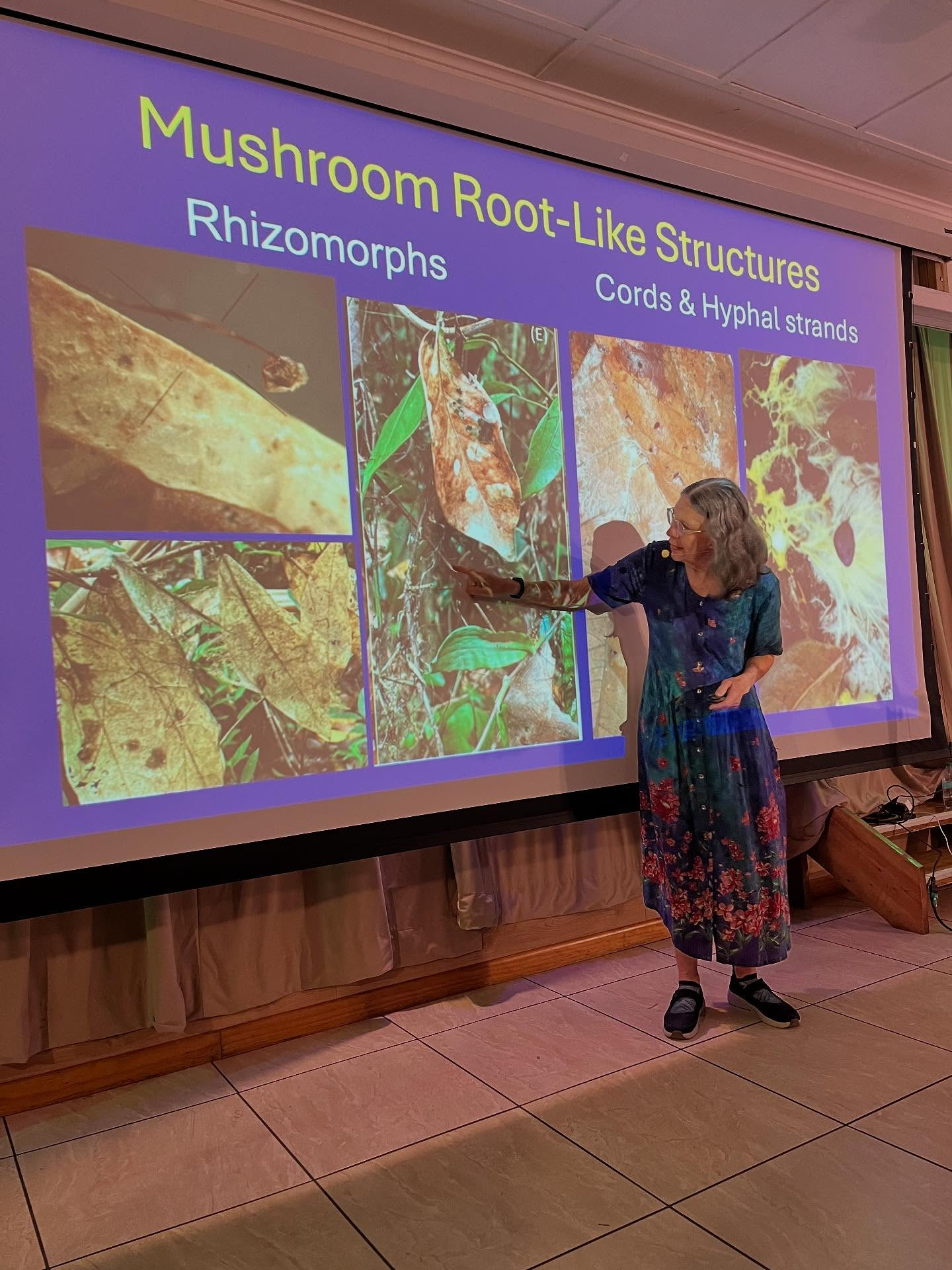
D. Jean Lodge identifies and studies the roles of mushrooms in wet tropical forests of the Caribbean Basin. We learned how mushrooms and other fungus have so many benefits.
Tim Cernak is an Associate Professor of Medicinal Chemistry at the University of Michigan exploring the role of chemistry in conservation. Tim explains how his background in cancer research is applied to conservation efforts.
One of the major Sea & Learn events was the pre-release screening of David Attenbourough’s latest movie. A great dinner was provided and the school drama club provided a wonderful little dance number before the show. Even after attending Sea & Learn for 21 years, I am still overwhelmed by the amazing content the foundation delivers every year.
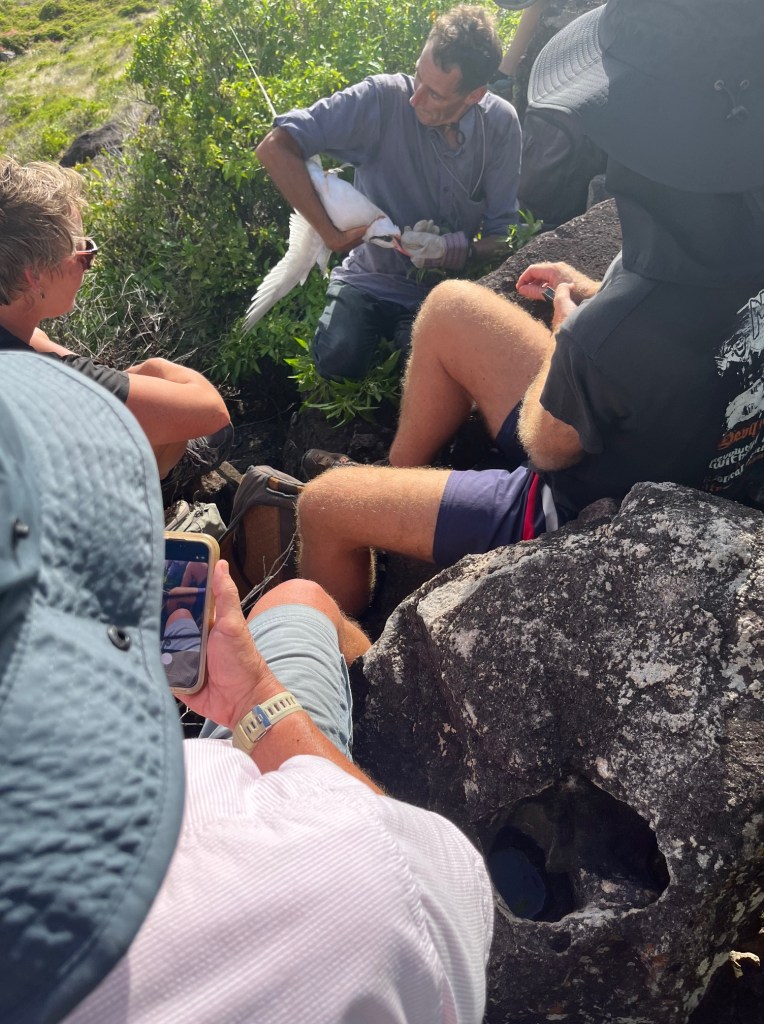
Here, we are perched half way up a mountain with biologist Michiel Boeken tagging a red billed tropic bird. Fun climb and learning experience!
Joe Wunderle provided a great presentation on Caribbean Birds and Hurricanes: Responses, Resilience, and Conservation. As an Emeritus Research Wildlife Biologist with the USDA Forest Service’s International Institute of Tropical Forestry (IITF) in Puerto Rico, Joe has more than 40 years of experience teaching and conducting research throughout the Caribbean.
And then there was the diving! The thing I love most about diving on Saba is the diversity of the dive sites. Saba has geologic reefs on the leeward side, biologic reefs on the windward side, sea mounts (The Pinnacles), patch and loaf reefs, turtle grass flats, and walls. This means a wide variety of fish and sea life. Here’s some photos taken during my trip from my long time Saba friends Beth and Tom:
Here’s some shots my friends Beth and Tom got on our dives together.
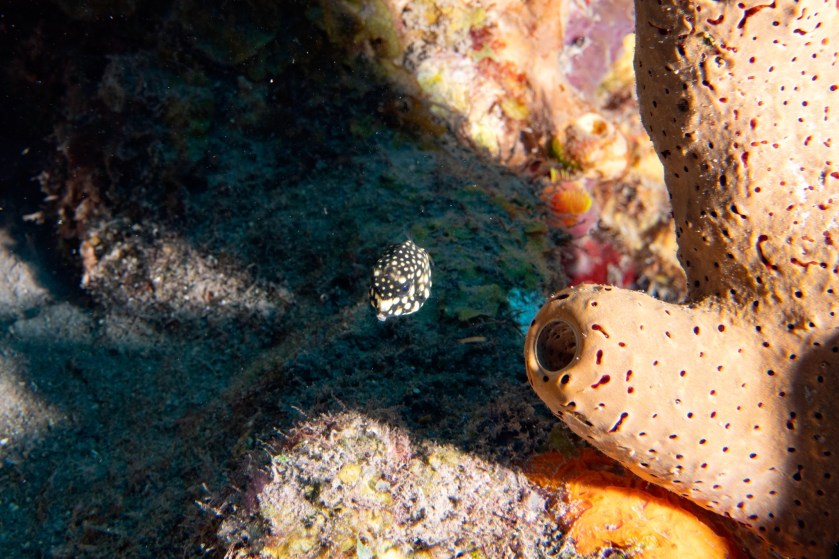
One exceptional experience this trip was the sighting of multiple slender file fish on the Tent Deep site. Before this trip, I had only seen two of them my whole life. On Tent Deep I saw six!
Slender file fish – About two inches long full grown and highly camouflaged to hide in sea fans. Very hard to spot!
Lost two days of diving due to tropical storm Jerry, but that just allowed some quality “island time”. Some of which was spent at the Dive Bar 🙂
The Dive Bar next to Julianna’s Resort features excellent draft beer from Deep Dive Brewery.
Special thanks go out to Lynn, John, Emily, Andrea, and the rest of the team for their outstanding work at Sea & Learn. Thanks again for the wonderful dinner at Lynn and John’s house!
Wish I could have stayed for more than two weeks. I know of nothing else like Sea & Learn anywhere in the world. Where else can an average guy get to attend interesting presentations, citizen science activities above and below the water, and generally hanging out with world class scientists and naturalists. And all for free! Learn more about Saba, the excellent diving, and Sea & Learn at the links below.
I’ve always been a “dog person”. Yes, while growing up our family did have a cat or two, but we always had dogs. I continued having some great dogs as an adult. But during a divorce, the ex-wife got custody of all the Jack Russells and Rat Terriers. I really missed those little doggies, but at the time I was traveling a lot and a new dog would not have worked out. A few years went by, then COVID hit. I was retired by then, so no more work travel and my scuba diving trips were curtailed by the epidemic, so like a lot of other folks at that time, I started thinking about adopting a dog.
Visits to the Pet Helpers “dog room” was so much fun. There were all sorts of potential best friends looking for me to take them home. But hey, why not check out the “cat room” as well? I always did like cats, too. That’s when it struck me. In the dog room they were all like, “Pet me, hold me, love me” but also, “ brush me, train me, and clean up my poop!” While in the cat room it was like, “Hey, want to be friends?”. Yes, a cat! Why didn’t I think of that before. Much more practical, I thought.
So, back in the cat room I went to see if I could find a new friend. There were kittens flying through the air. No thanks. There was this tuxedo insisting on laying on my feet everywhere I went. Too clingy. A couple cats were fighting. I am looking for someone calmer. I almost missed this black tabby isolating himself in one of the open cages. While not mingling with the others, he didn’t look afraid or nervous. And he welcomed my petting, but didn’t get all excited about it. Maybe he’s the one!
His Pet Helpers name was Stingray. He was abandoned by his owner at six months of age and had been at Pet Helpers for the last three years. I spent maybe twenty minutes getting to know Stingray a little better. He was calm and affectionate but not clingy and had a great overall disposition. He was going home with me!
I renamed him Jack London and started calling him Jack Kitty. Things were a bit shaky at first. Jack Kitty had been at Pet Helpers for so long his muscles were atrophied, he didn’t know where he was, and he was very shy around people including me. He didn’t know how to climb stairs and it was even hard for him just to jump up on the couch. If anyone came over or even if I made noise, he would run and hide. But, all that didn’t last long at all!
With a big house to roam around and investigate, Jack quickly gained his strength. He soon learned that everyone that came over wanted to pet him. He wasn’t used to a lot of attention, but boy did he learn to like it. He loves all my friends now and meets them at the door when they come over.
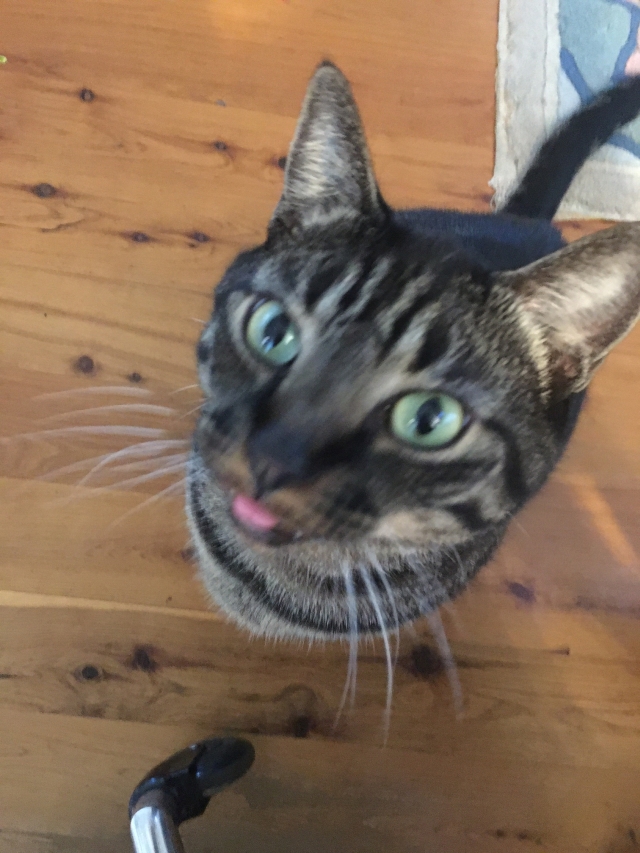
Jack Kitty is now seven years old, and we are each other’s best friend. I cannot imagine life without him. We have our daily routine we both enjoy together including hanging out in the backyard in the evenings. We talk to each other all the time and understand each other perfectly. One strange thing though, he snores! I never knew any cats that snored. It’s not like a person though; it’s more of a “coo” sound. Jack’s little snores are quite cute and even comforting at night.
I can’t believe it, but I’m a cat person now! All my neighbors have dogs and most of them are left in the back yard all day, with little attention, and barking at every little thing. Don’t get me wrong, I still love dogs, but if I got another animal, it would be a cat. With Jack Kitty’s permission of course 😉
Once I became self-employed I noticed an alarming trend among my friends and close associates with small businesses. A lot of them failed! Even some with plenty of customers and revenue were getting into deep trouble. As I learned more about running a business the reason became obvious. While they were serious about the product, they ignored the business! According to a U.S. Bank study, 82% of small business failures are due to poor cash flow management.
The classic mistake is starting the business because you love selling the product or skill and thinking all you need is to do it well. If you want to build a successful business, you need to be a good business person, as well.
The solution is simple. Most problems are avoided by doing some things right during the startup phase. I’ll give a snapshot of the most important factors since there are hundreds of books and courses that get into the details. Basically, you need to do the same stuff the big companies do. Using more formal practices will get you more respect and trust from customers and vendors. Having established procedures for everything makes the workflow more efficient, easier to train new employees, and way easier to scale up your business.
Running the business “by the seat of your pants” never works for long. I have seen this play out too many times. Here’s one example of what happens:
You are just getting the business off the ground and hire a receptionist to schedule appointments and onboard customers. You don’t have a process for any of this, so you rely on the new person to figure it out. They create a system that works for them and everything goes smoothly. Until that person leaves or you hire a second receptionist. Now, your new person recreates the system for what works for them because it’s too hard to figure out how the old person did things. Meanwhile, customers are waiting to be served, customer and vendor records are lost, and vendors are being paid late!
Don’t do this to yourself! Making stuff up as you go along is a major path to failure. Yes, by all means let your employees help you develop processes, but make each process as generic as possible and, above all, document the procedures. And, don’t reinvent the wheel. Learn the standard ways other businesses do things and model your processes to common best practices. Way smoother over time and scalable!
Business Plan
Write your business plan before you start your business. Do it right! There are plenty of resources to help you do this. Some good resources are listed at the end of this post.
Your Team
Even the smallest of businesses need, as a minimum, a banker, a tax accountant, a business accountant, insurance agent, and a business lawyer. Some specialized professionals may be needed, such as, real estate broker/agent, mortgage broker, etc. Often the tax and business account can be the same person, just know that these are two very different professions.
Business Processes
Set up a grown-up accounting system. Before you even start, you need a basic understanding of the double entry accounting system. I learned it by reading a couple books and watching several YouTube videos. Then you’re ready to setup your system. Spreadsheets will do the job, if you plan to stay VERY small, but accounting software is highly recommended. QuickBooks Online is the gold standard, but there are others. But the main thing is, all company principles need to learn the double entry accounting system and the Generally Accepted Accounting Principles (GAAP). You need to know how to use and read the Profit and Loss (P&L) statement and the Balance Sheet report. These are the heartbeat monitors of your business.
Inventory System. Inventory systems are required if you sell a physical product and especially if you fabricate or assemble products. This solves the problems of running out of product or parts, over or under buying inventory, and stock forecasting. The Microsoft Access database works great if you know how to program and there are plenty of user-friendly products out there. If you sell through Shopify or other online or Point of Sale (PoS) platforms an inventory function is usually included.
Marketing
You may not feel the need for much marketing effort if planning to keep your company very small. That is another classical mistake. Sure, it’s a fantastic product! But, will anyone buy it? Maybe your product or service is something that lots of folks do buy. But, will your startup overcome the competition? Plenty of businesses fail everyday for these two reasons along. Read a basic marking book or look on YouTube to find easy solutions. There are good sources on my Reading List and Podcast List.
Smoke Testing – Smoke testing is a method of validating demand before investing in product development. Set up a landing page, run a few ads, and track sign-ups or pre-orders to gauge interest. A/B Testing, Prototyping, and Minimum Viable Product (MVP) testing may be used to test the market.
Scope the competition before investing too much time and money. You may have the best product but if other companies have an established customer base, it’s hard and maybe impossible to get your product out in front. Conduct an extensive review of your market. Since your competition is advertising, this is not too hard to do. Here’s a post of one of my personal failures.
There are plenty of marketing firms out there, but be careful as they are usually expensive.
Human Resources
A system for managing employees and 1099 contractors is required even if you have only one person. Keep all HR paperwork in one place. You will need to track job applications, W9 forms, simple contracts, performance reviews, etc.
Visibility
Always represent yourself and your team as a real company. You want your customers, vendors, and associates to see you are a serious business to gain trust. Here is the minimum:
Choose a good but simple company name and domain name. They should match exactly. Check availability of entity names and domain names before you make a final decision on the name. Your email address should use your domain name. Having a yahoo or Gmail address is cheesy.
Your logo should be as simple as possible. Get it done by a professional. While you may be creative, you don’t make logos everyday like a professional.
Include payment information on all invoices. I don’t know how many times I’ve had to call a company to get the address to send a check. Don’t be one of those. Always include billing/payment address, payment methods (check, money order, ACH, etc.), and payment terms (NET 30 for example).
Always carry business cards (everyone). You’ll get a higher level of respect from those you interact with, plus more returned calls. Giving business cards to your employees empowers them.
Have a website no matter how small the business. Can be simple:
Contact information. It’s a very good idea to include your physical address. Websites set up to scam people never have one. If you work from home and don’t want to publish that address, just include the city.
Hours of operation.
About – Company information.
Have business name, logo, and phone number on your vehicle. Keep it all very simple and easy to read from a distance.
Spell and grammar check everything! Especially emails, web site, and all public facing documents. Typos make you look stupid. Use tools like AI or MS Word grammar check/editor.
Always state your company name and your name when you answer the phone.
Put contact information at the bottom of every email. There are plenty of good examples out there of email signatures that include a head shot, logo, full contact info, etc. How many times have you read an email, decide a phone call response is required, but you must look up the guys number (if you even have it). Make sure your number is in the signature of all your emails.
IT and Data Organization
If you are not good with computers, find someone who is. Your PC or Mac is your most important business tool. Not your phone! The phone is great for calls and convenient reference to your calendar and some documents but is far inferior to the PC for getting actual work done.
Organize your data. There are many good ways to do this, but the best I’ve seen is the same way executives through the many years have organized their old file cabinets. After all, there’s a reason your disk system is organized by “folders” and “files”. High level folders should be named after standard corporate divisions with sub folders for appropriate subject matter. Here’s an example:
Admin
Advertising
Executive planning
Financial
HR
Legal
Operations
Inventory
Training
Use the cloud. In-house backup equipment and procedures are prone to failure, time consuming, and easy to neglect.
Final Thoughts
Total professionalism is the key to long-lasting success! Be professional in all the work you do and spread that culture throughout your company. And remember that simply doing great work or providing great products is not enough. Your company is a living entity with a presence and a voice. Make that presence and voice standout above the crowd! Develop an entrepreneurial mindset of resilience, curiosity, and willingness to delegate—as an essential business asset.
Resources
SCORE Foundation – Every business should start here. These guys will help you get setup with everything you need from business plan to processes. They are part of the Small Business Association. Its all free!
US Chamber of Commerce – There are local offices in each state. All sorts of resources to help you scale in international markets.
SCMEP – Helps South Carolina businesses with manufacturing resources. Look for a similar agency in your state.
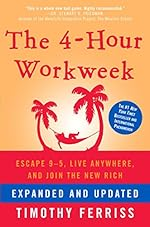
Tim Ferris – Successful author, business leader, and investor. His first book, “The Four Hour Work Week”, is a bit outdated, but still well worth the read. Tim’s blog is full of tried and true advice for living well and doing business. In his podcast, Tim interviews the most successful people in the world to discuss their personal habits and methods leading to success. Learn from the best!
Today, I completed the final action in shutting down a non-performing company, I deleted my email account.
It takes some time to shut down a company that is over 25 years old. There’s the letter of dissolution to the Secretary of State, prepare and close the books for the final tax return, letter to the IRS, shutting down the web site, shut down of domains and other web services, and closing all bank accounts. This all took about five months.
If it’s true you learn from your mistakes, then I should get an MBA for this one. I joined the company in 2018. I first met the original owner and founder of WhirlyBird Solutions, LLC at a SCORE CEO Round table meeting. He was there with his admin assistant seeking help to scale up from a “Mom & Pop” level. After hearing that I was there looking for investment opportunities, they approached me with a proposition. I accepted a full partnership in exchange for some cash and help with scaling up. They really did have the best product on the market, but needed to figure out how to increase sales.
I may go into the details of this adventure in a future post, but for now I’ll just state the reason we failed. We had the best performing product on the market by far. We had a return customer rate of more than 20%, which is spectacular for a product that can last for years. We had sales accounts at West Marine, TrueValue Hardware, Animal Damage Control in Canada, Bird Control Australia, Crown Castle (cell towers), GME Supply (cell towers), Qualtek Wireless, and T-Mobile. We had built a company that was posed to expand. But, we operated at a loss the entire time I was involved. I had made one of the most common mistakes made by failed startups.
The WhirlyBird Repeller is a bird deterrent device specifically designed to trigger fear in problem birds. The WBR mimicked a predator bird with specific motion, sight, and sound. It effectively kept birds off your docked boat, cell tower, or garden. Our customers loved it. So, what’s the problem?
The bird control market is VERY large with a great many well established companies selling products and services. These companies have well established names in the market and they spend a lot on advertising. While we had the best product, the majority of buyers didn’t see us. We never stayed on the first page of search results, when the competition saw us creeping up, they turned up their ad dollars and pushed us back down. The brick and mortar stores sold a few, but since they were on the shelf with the plastic owl, people still bought the owl. They had seen the owls on other people’s docks, so they must work, right? I have a photo of a sea gull sitting on an owl and pooping.
We never became visible above our competitors!
Overcoming this problem would take a lot more capitol than we wanted to invest. This is why you see a lot of new products in TV ads. While TV ads are the most expensive advertising by far, they are the best way to make your product visible over the competition.
A smart person learns from there mistakes. A wise person learns from other’s mistakes!
I thought this an appropriate post with all that is going on in government and politics these days. Tighten up your BS filter people!
Back in the 60’s I totally believed the war in Vietnam was essential to preserving the “free world”. The free world, of course, were all the democratic nations. The communists were coming to get us and take away our hard-earned freedom. Of course I pretty much believed everything the government told me back then.
I was high school age the first time I became aware of national propaganda. I was working on getting my Ham Radio license. I built a Knight Kit Star Roamer shortwave receiver and installed a long-line dipole antenna on the roof. Between studying the FCC rules and practicing Morse code, I enjoyed tuning in shortwave radio stations from around the world. I listened to most of the English-speaking stations around the world, but stations concerned with the war were the most interesting at the time. I regularly listened to two stations for war news, Voice of America and Radio Havana.
Listening to these two stations quickly dissolved my naivety that all news was reported accurately. Voice of America claimed the US was winning the war with major enemy casualties and very few of ours while Radio Havana reported exactly the opposite. Asking my Dad about this resulted in an interesting explanation of why and how propaganda works. I never took the news at face value again. Even news sources doing their best to report the news accurately are at the mercy of the government press releases for a lot of information. So governments are spinning the news.
Breaking free from government propaganda is challenging, but many people have done so through a mix of critical thinking, exposure to alternative perspectives, and historical awareness. Here are some of the key ways people have learned to recognize and resist propaganda:
Understanding How Propaganda Works
People who study history and psychology recognize patterns of propaganda used in the past, like fear-mongering, scapegoating, appeals to nationalism, and repetition. Recognizing these logical fallacies (straw man arguments, false dilemmas, personal attacks) helps people see when they’re being manipulated. Advanced college degrees are not needed to understand the basic concepts. These are not difficult concepts to learn and train yourself to spot.
Exposure to Diverse Information Sources
Those who escape propaganda often start by seeking out alternative viewpoints like reading news from international sources, listening to dissident voices, or accessing independent media. The hard part is finding news sources without a political bias. When in doubt, ask ChatGPT.
The Internet has helped, but in authoritarian countries, people have to use VPNs, encrypted messaging, and dark web resources to bypass government censorship.
Personal Experience vs. Official Narratives
Many people start questioning propaganda when their real-life experiences don’t match what they’ve been told. Soviet citizens in the 1980s were told they lived in a utopia, but they saw breadlines, corruption, and shortages firsthand. The availability of satellite TV increased their awareness of the rest of the world. Teenagers and young adults tore down the Berlin wall, not Ronald Reagan who took credit for it! Iraq War veterans came home and spoke out when they realized the reasons for the war were exaggerated or false.
Firsthand contact with “enemies” often changes perspectives. Soldiers, travelers, or refugees often realize that the people they were taught to fear are just like them.
Studying History and Past Lies
Seeing how governments have lied before helps people recognize when it’s happening again. Here’s some good examples:
Gulf of Tonkin Incident (Vietnam War) – The U.S. falsely claimed an attack to justify war.
Weapons of Mass Destruction (Iraq War) – No WMDs were found, despite claims.
Soviet Lies about Chernobyl – The USSR downplayed the nuclear disaster for days.
Stopping NATO Aggression (Ukraine War) – Putin masking efforts to expand the Russian empire.
Climate change denial (oil companies) – Deniers claim this change is naturally occurring and has happened many times in the past. This is overwhelmingly false. Past climate shifts took thousands to millions of years while today’s warming is happening in decades, making it much harder for ecosystems and human societies to adapt.
Once people see how easily the truth gets manipulated, they question present-day narratives more critically.
Conversations and Underground Movements
Dissent spreads through private discussions, underground literature, and social media. In authoritarian regimes, people share banned books, listen to foreign radio stations (like Radio Free Europe in the Cold War), and circulate illegal self-published texts. Today, leaked information (e.g., Wikileaks, whistleblowers) plays a big role in breaking official narratives.
Asking: “Who Benefits?”
Many people break free by simply asking “Who profits from this?” For example:
War – Military contractors, politicians seeking power, resource-hungry corporations.
Fear – Justifies government control, new laws, or tax increases.
Division – Prevents people from uniting against their real oppressors.
Breaking Free is Hard but Possible
Governments use harsh penalties to keep people from questioning the narrative. Whistle-blowers get jailed, journalists disappear, and dissenters are silenced. Yet, people still resist, from Soviet defectors to Chinese dissidents to American war protesters. Still, you don’t need to break the law to have a meaningful impact.
I was drafted for Vietnam. Fortunately, the war ended before I was due to go to Nam, but too many others were not so lucky. At that time, most of us in the military realized the war was a government sham. The government spent way too much time trying to cover it up and needless lives were lost. That is the worst consequence of propaganda. This is the filter I process everything through now.
By educating ourselves and questioning narratives, we can hold leaders accountable and demand a more honest government. Fact check everything and study important issues in depth. Making decisions based on news media “sound bites” is never good. Beware of misleading statistics. The government will never be any better than the people they govern. Let us hold them to a higher standard!
You already know the value of having a mentor, so I won’t get into that. Your first mentor was probably your mother or father, as was mine. That caring person set you on the course you are on today. As I moved ahead in my career I had some great bosses and associates that really helped steer me right. But now, the older I get, the harder it is to find a mentor. As I’ve aged there are fewer older people I know that are on the road ahead of me and younger associates hesitate to advise me, even when they are a lot smarter than me. These smart young folks erroneously assume I already know it all. How silly is that!?
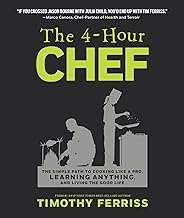
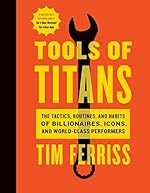
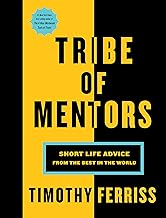
A few years ago, I stumbled upon some great mentors from an unlikely source, the Tim Ferriss books and podcasts. Back when I was learning to do real estate investing, I read Tim’s book “The Four-Hour Work Week”. As an engineer, the book resonated with me in presenting a systems-based process for setting up and operating a business efficiently. I liked Tim’s style, so I read his other great books:
Reading “Tools of Titans” and “Tribe of Mentors” opened my eyes to the lives of some of the most successful people in the world. Especially enlightening is the way Tim would deep dive into their daily personal routines –- things they did to control stress, stay healthy, and be productive –- while running some very successful projects. I got an awareness of how these high-profile folks were not much different than us “ordinary” folks. Their main difference is their skill set, but their daily life is not much different than anyone else.
I have continued to find more excellent mentors in Tim’s podcasts. I have listened to a lot of podcasts and Tim’s stands out due to his exceptional interviewing skills and the wide variety of folks he has on. No matter what field you’re pursuing, you are bound to find someone Tim has interviewed that is a leader in that field.
I’ve applied a lot of the gleaned advice in my own life. If you’re interested, you can find a lot of it here Simple Stuff That Changed my life.
Tim also writes a good blog. Go look for yourself: https://tim.blog/ and pull down the pod cast “The Tim Ferris Show” from your favorite podcast site. Learn more about Tim Ferris here: https://en.wikipedia.org/wiki/Tim_Ferriss. I encourage you to give Mr. Ferriss a try if you’re having trouble finding good folks to bounce your questions and ideas off of.
“All I Really Need to Know I Learned in Kindergarten.” Robert Fulghum
Attention world governments! I have an especially important message from all the good people of Earth. WE DON’T WANT YOU TO WAGE ANY WAR ON ANYONE FOR ANY REASON! We are all incredibly surprised you do not know this, so the purpose of this message is to let you know beyond all doubt.
You know all your wars are motivated by your own fears. We have no such fears. We here in the NATO countries wish no harm on our friends in Russia, China, North Korea, or anywhere else. Likewise, we here in Russia and North Korea never asked our government to waste our dwindling resources to fight off NATO countries. We are all the same, just regular folks trying to get by. Wars are not started by the people, but by governments fighting their own battles!
We know there’s still a lot of us that are under the influence of our government’s powerful propaganda campaigns. Most propaganda aims at putting the fears of the government on the people – “We must protect ourselves from Communist takeover.” or “We must protect ourselves from Western imperialism.” We, the good people, are smart enough to recognize this propaganda as a diversion tactic to keep us from seeing the real goal of most of our governments, which is, national expansion to benefit the elite few who fear losing power! There are more of us that realize this all the time, so these tactics will not work for much longer. We have learned to recognize propaganda through critical thinking, exposure to different perspectives, and historical awareness.
We have had tens of thousands of years of learning to live together. Yes, civilizations have had to fight it out all this time, but there is a point at which we figure out a better way to solve ALL problems. In fact, we’ve learned how to fix all the basic types of problems in kindergarten. You government guys didn’t flunk kindergarten, did you? Let us review the most common problems governments want to fight over and compare each one to a kindergarten equivalent.
1. Geopolitical conflicts and territorial disputes that persist between nations – Two children arguing over who gets to play in the corner with the best toys, with each claiming “I was here first!” or “This is MY spot!”
2. Ideological and religious differences leading to extremism and conflict – Children disagreeing over the “right way” to build a block tower or draw a cat, with each insisting their method is the only correct one.
3. Economic inequality within and between nations, creating instability – One child has many toys from home while another has none, creating tension during playtime when the child with many toys refuses to share.
4. Competition for limited resources, including water, land, and energy – Three children fighting over the one red crayon or the single class iPad during free time.
5. Nationalism and identity-based conflicts that resist compromise – Groups forming based on arbitrary distinctions like “blue table kids” versus “green table kids,” with each group developing loyalty and excluding others.
6. Historical grievances and unresolved injustices that fuel ongoing tensions – “I’m not sharing with Sam because yesterday he took my juice box and didn’t say sorry.”
7. Militarization and arms races, including nuclear proliferation concerns – Children building increasingly elaborate “defensive” pillow forts, eventually taking all the cushions, and leaving nothing for others.
8. Failed states and regions with weak governance that become conflict zones – Chaos erupting when the teacher briefly leaves the room and the assigned “class monitor” can’t maintain order.
9. Terrorism and non-state armed groups operating across borders – A child disrupting others’ games or destroying their artwork because they weren’t included.
10. Climate change impacts that can trigger resource conflicts and migration crises – Disputes arising when outdoor recess is canceled due to rain, forcing everyone to share limited indoor space and toys.
I won’t insult your intelligence by explaining the fixes for each of these as I know you learned them from your parents and teachers many years ago. And I realize these simple solutions get lost in the complexity of adult life. But, as our leaders, you need to function more like the teachers than the children! If you kids don’t sit down and shut up there will be no snack time today!
World leaders, if you still don’t get it, you need to read more history and learn from it this time. The longest lasting empires; Roman, Byzantine, Ottoman, and the China dynasties; all ended in conflict due to not solving basic kindergarten problems. The world now produces more than enough food, clothing, shelter, and medicine for everyone. So, what is all the fighting about? Expansionism and imperialism are just counties acting like bullies on the playground. The rest of the class sees what you’re doing and really wants you to “grow up” and face your insecurities! How many times did the teacher say, “We all just need to learn to share”?
So, you might be reading all this and thinking, “Yes, I have studied history and know all this to be true. But I am only a mid-level congressman (or member of parliament, MdB, councillor, etc.) what can I do?” That’s an easy one. Grow a pair and stand up for what you believe!
I have faced this fact long ago and my friends remind me all the time, that I am a “wise-ass know-it-all”. One of my many bad habits is giving folks way too much unsolicited advice. It’s hard to stop. When I see someone going through something I’ve already been through, I just want to help. I am slowly learning in my old age that it just never works. I can’t change anybody. They can only change themselves. I am getting better at it and that is one purpose of this blog. So, continue reading only if you think you’re ready to move ahead.
Morning routine
A standard morning routine, of various forms, is used by a great many successful people. I have read lots of biographies and implementing a morning routine is fairly consistent. While most prevalent in early birds like me, the night owls have their versions that work well for them. For the busy mom or professional going to work at a set time each day or when the rest of the family gets up, this morning routine is the one time they have for themselves. This is time to work on yourself in whatever way you feel. Here’s a summary of my morning routine to get you thinking:
Stretching – It’s the first thing I do after getting out of bed. Well, not quite – usually need to pee first 😉 I started doing light stretching and some yoga before I learned this is a routine with most athletes and folks looking to stay fit or just to get moving in the morning. I knew I needed to do something when going down the stairs in the morning started to get harder. I was making “old man noises” and I was only 58. A little leg stretching first thing did the trick and that soon evolved into a short routine focusing on legs, hips, and back. Now be warned you are not going to feel like doing this upon waking because your body and mind are still in “sleep mode”. That lizard brain is saying, “Can’t we just start this morning a little slower?” But let that lately evolved frontal lobe take command and put the body in “wake mode”. You will have to trust me on this but you’ll see for yourself, a little exercise that time of day is the equivalent of a cup of coffee. Try it, you’ll see. Five minutes is enough, but ten is better.
Meditation – After stretching I dress and head downstairs, feed the cat, then sit and meditate for about 10 minutes. Learning to focus your attention on what’s happening without judgment improves all aspects of life. Great way to start the day.
Breakfast – I put high grade protein and “slow” carbs in by belly within minutes of getting out of bed each morning. Learned this from reading about some great athletes. Doing so levels out your blood sugar for the rest of the day, eliminating cravings and bingeing. Three egg omelet with Spinach, onion, bell pepper, mushroom, and pea sprouts is my main breakfast. By “slow” carbs I mean carbohydrates that are low on the glycemic index scale. Fast carbs should always be avoided unless you’re about to run a marathon or something.
A good source of a variety of successful folks’ morning routines can be found in Tim Ferriss’s book Tools for Titans.
Meditation
I learned Transcendental Meditation in 1973. While it took years to really start understanding what meditation does, I did see the benefits and kept it up, off and on, through the years. Within the last few years, with the help of some great books and podcasts, I have a much better understanding of how it works. I am not going to explain the practice here as professionals like Sam Harris and Jack Kornfield do a way better job, but will share the benefits I have seen. By learning to recognize your own thoughts as just stuff your brain throws out in response to stimuli, you will learn to control your thinking and behavior. This results in major improvements in dealing with people, being more grateful for what you have and less cravings for what you don’t have, anger management, better learning skills, and better conversations. It’s also just plain easy and feels good.
Reading
Bottom line, reading will keep your brain alive better than anything else I know. Many studies using MRI’s and such have shown that reading lights up more areas of the brain than most other things. I know it works for me and keeps me curious. When I meet someone new and we talk long enough, I will usually ask them what books they’ve read lately. I am tired of getting the answer, “I am just not a reader” like it’s some genetic trait. Reading is a habit you must develop and anyone can do it. If you want to know what is really going on in the world, it’s all in books. Not the news, documentaries, podcasts, or (chuckle) social media. Get a good book and read a little every day, even for 10 minutes. According to Tony Robbins only 10% of the world reads whole books and only 10% of them read non-fiction. Folks that read books are in the top 10% of the educated people in the world. Think about that.
Better nutrition
There’s so much great information on this out there, I’m not even going to try. Just get off the processed crap and eat great food.
Running
Running, mountain or road biking, or any other aerobic exercise a few times a week. The benefits to the cardiovascular system are well known, but one of the overlooked benefits is the increased blood flow to the brain. Ever see an old guy that looks like he doesn’t even know where he is? Yeah, that’s you in a few years if you let the slower metabolism have its way. Get some “extra” blood up to that brain every week.
Strength training
Pays back great dividends in slowing muscle lose and increasing metabolism. The older you are the more important this is. Get a weekly routine. If, like me, you don’t like gym memberships, it takes very little equipment to have a great routine at home. Along with lifting heavy stuff, incorporate flexibility and balance exercises. Yoga is great for this.
Treating personal finance like a business
Struggling through life, pay check to pay check, is not a good plan. It does not have to be that way. Learning to manage your personal finances more like a business is a much better way. Our economy is designed to promote commercialism and this is the trap. Improving personal finances is as simple as controlling expenses and saving for the future. The main hurtle to this is the change in mindset that is required. For example, what are you thinking about the day before payday – “I’ll have the money to go out to eat”, “I can buy that new dress or sports coat I’ve wanted”, or “This paycheck will give me enough down payment for a new car loan”. Or are your thoughts more like – “I get to pay down that credit card a little more”, “I’ll have a little bit to add to retirement savings”, or “I’ll have a little bit to add to saving for a down payment on an investment property or business startup”. A change in your mindset is the way out of the commercialism trap.
Ditch the “paycheck to paycheck” mentality and start thinking in terms of assets and liabilities. In any economy cash is king so even a little savings can pay off big in the near future. Ben Franklin said mankind’s best invention was compound interest. Use your savings to buy investment real estate, start a small business, or open a brokerage account. There are just too many books out there on the subject for me to go any further with this. But, if everyone took advantage of this bit of knowledge, a whole lot of society’s problems would just go away. Some books that have helped me are here.
Learning
Stop learning and your brain starts dying. ‘Nough said!
Science
Science is the systematic study of the natural world through observation, experimentation, and the testing of hypotheses to discover and explain how things work. Even if you’re not interested in how the world works, I think it’s a good idea to know how others figure it out. Here’s some of my favorite subjects:
Biology – I like learning how animals and plants work. I do not have any background knowledge for a good learning base, but fortunately there are many books and documentaries on a layman’s level.
Marine biology – I love scuba diving. While you will have to sit in the woods for a while until a couple birds or squirrels come out, life is all around you as soon as you enter the ocean. I love watching fish behavior and looking for the crabs and other little critters.
Birds – I’ve loved hiking in the woods all my life, but I never really saw the woods until I started bird watching. Now it’s like a city with all the creatures going about their lives. Bird watching is something you can do everywhere you go. Nature is everywhere, even in the cities.
A really good source of current science news is Science Friday broadcast on NPR and a podcast. My favorite books are here.
Projects
Always have some projects going on. Life isn’t much more than a continuous stream of problems. Throwing a few self-improvement, property improvement, business building, explorations, or craft projects in the mix will make you feel like you’re accomplishing something.
Philosophy
What is life? What is God? Some folks are happy to accept what others tell them it’s all about, but I never was. With all the scientific advancement we have today still no one knows what consciousness is. Thinking about these things helps me figure out the best way to live an honorable peaceful life. I have taken some pretty heavy philosophy courses and studied all the major concepts. I think some of these old guys simply thought way too deep about this stuff. I think the basic premise behind most of it is much simpler. Here’s a couple simple easy reads:
Everybody washes their hands when they come in the house after being out in public.
When my wife (now ex) first started teaching at culinary school, we both starting catching everything. She, being in a closed room with all those snotty-nosed kids all day, was bringing home all varieties of the common cold and flu. She came up with the idea, so we made it a rule. When you first come home from being out in public, the first thing you do is wash your hands. This simple act had dramatic results and I still practice it today. Believe me, it works!
The wise-ass know-it-all strikes again!
If you actually read this whole post you will understand why I am not too popular a parties. You’re probably thinking, “This guy really had some low self-worth issues growing up.” and you’d be right. But my childhood issues set me on a life time quest for self improvement that has really paid off for me. I started life with very low expectations, but have exceeded them four-fold. So, if you’re at a party talking shit and some guy starts preaching to you how to fix your life, you deserve it! Go ahead and walk away, but I’ve still got this blog!








































 The Blog of Tim Schmitz